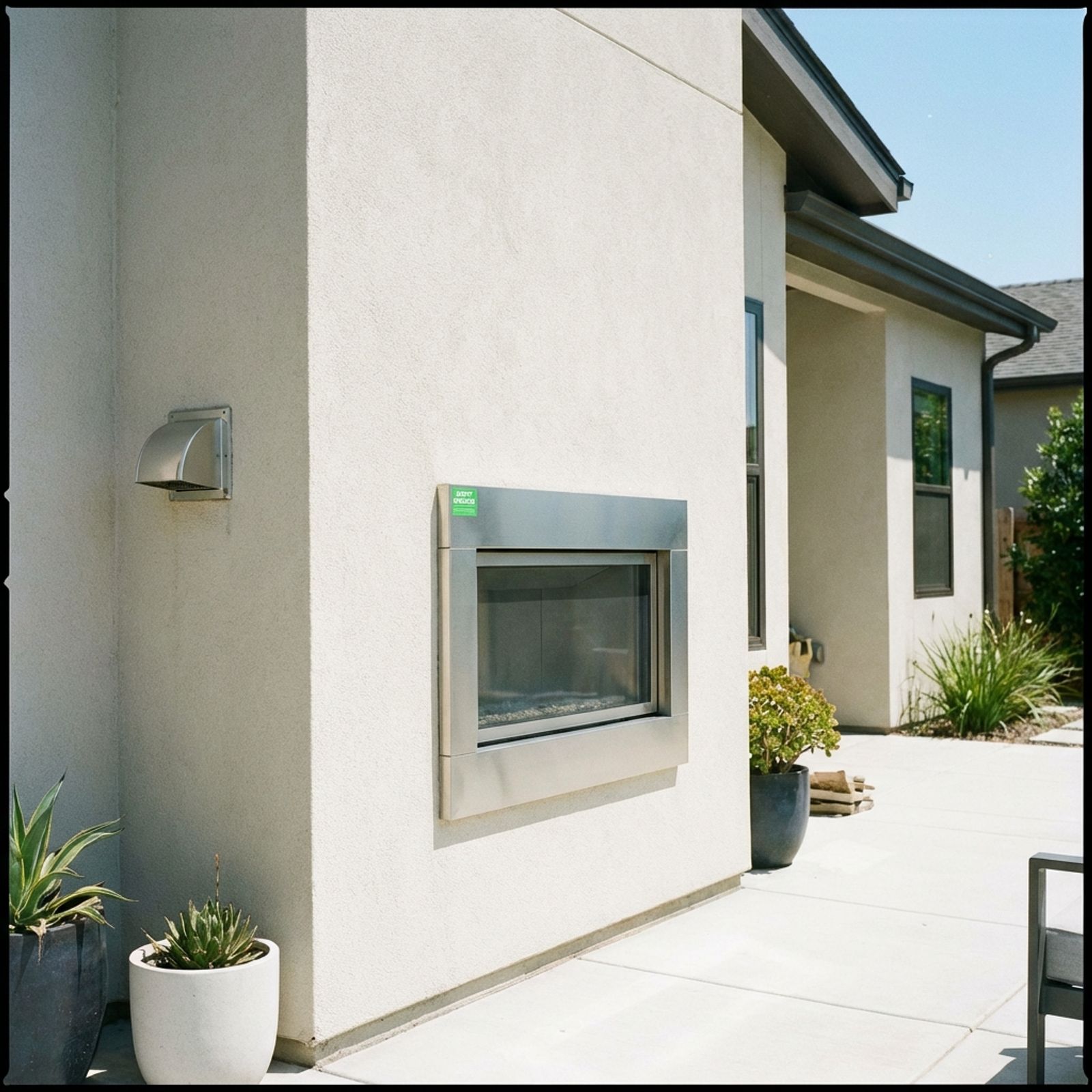
As winter temperatures drop, our reliance on gas furnaces and fireplaces increases. While these appliances keep us warm, they also introduce specific risks to indoor air safety if not properly maintained.
Understanding how your heating system affects the air you breathe is critical for keeping your family safe and healthy throughout the heating season.
What This Means for Your Home
Any appliance that burns fuel—whether it’s a gas furnace, fireplace, or water heater—produces combustion byproducts. In a perfectly functioning system, these are vented safely outdoors.
However, cracks in a heat exchanger, blocked flues, or negative pressure in the home can force these exhausts back into your living space. This "backdrafting" is a silent but serious indoor air quality hazard.
What Science Tells Us
Combustion appliances are the primary indoor source of nitrogen dioxide (NO2) and carbon monoxide (CO). Even low-level exposure to NO2 can irritate respiratory tracts and worsen asthma symptoms.
Carbon monoxide is far more dangerous because it displaces oxygen in the blood. Because it is odorless and colorless, it is impossible to detect without mechanical monitoring equipment until physical symptoms appear.
Common Misunderstandings
- Myth: I would smell gas if there was a problem. Reality: CO is odorless; you will not smell it.
- Myth: My furnace is new, so it’s safe. Reality: Installation errors or blocked vents can make even new units dangerous.
- Myth: The fireplace chimney is fine if it draws smoke. Reality: Creosote buildup can cause invisible blockages or chimney fires.
Practical Takeaways
- Install CO detectors on every level of your home and outside every sleeping area.
- Schedule an annual professional inspection for your furnace and chimney.
- Ensure your home has adequate makeup air if you have powerful range hoods or exhaust fans.
- Never idle a car or run a generator in an attached garage, even with the door open.
Bottom Line
Warmth shouldn’t come at the cost of safety. With regular maintenance and proper monitoring, you can enjoy a cozy winter home without compromising your indoor air quality.
Frequently Asked Questions
Where should CO detectors be placed?
Place them on every floor, specifically near bedrooms, and about 5 feet off the ground or on the ceiling.
How often should I check my furnace?
A professional inspection and tune-up should happen once a year, ideally in the fall before heating season begins.
Can a gas fireplace affect air quality?
Yes, if not vented properly, it can release pollutants indoors. Vent-free models release moisture and combustion byproducts directly into the room.
Want to improve your home's air quality?
Take our comprehensive air quality quiz to get personalized recommendations.
Take the Quiz