How to Reduce Dust in Your Home
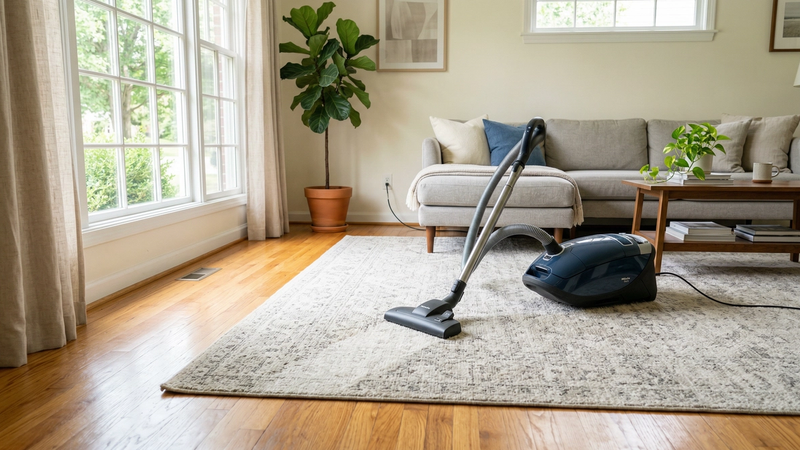
Learn how to reduce dust in your home with science-backed strategies that address dust sources, improve air quality, and reduce household dust buildup.
Expert advice, guides, and insights for maintaining a healthy home environment.

Targeted recommendations for improving the air quality in specific areas of the home. Every room has unique challenges — kitchens have combustion emissions, bedrooms trap allergens, basements attract moisture, nurseries require extra cleanliness, and home offices accumulate stale air. These guides show readers what to look for, what to avoid, and what improvements will have the greatest impact based on the space they’re working with.
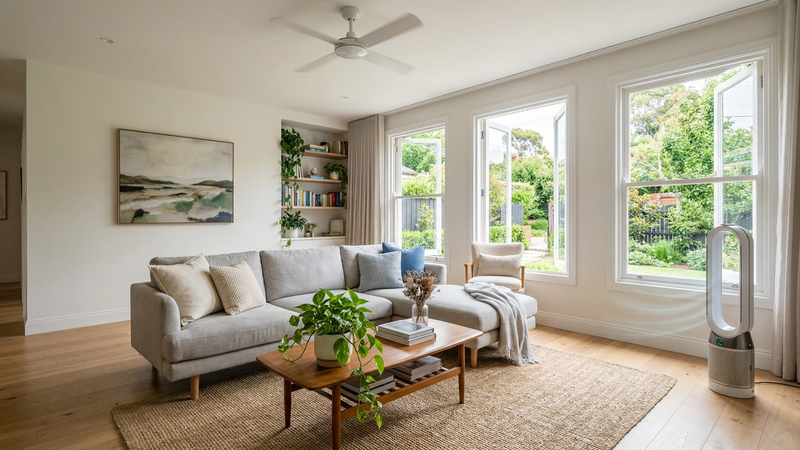
View ArticlesIndoor air quality changes throughout the year, and this category helps homeowners stay ahead of seasonal challenges. Learn how to manage winter dryness, summer humidity, wildfire smoke, pollen season, holiday cooking air-quality spikes, and more. Each guide explains what to expect, what precautions to take, and which adjustments can keep indoor air clean and comfortable all year long.
View ArticlesA deep dive into the most frequent and harmful contaminants found in homes. This category explores mold, dust, VOCs, PM2.5, radon, carbon monoxide, pet dander, cooking emissions, cleaning chemicals, and more. We break down what each pollutant is, how it affects your health, what symptoms to watch for, and how to test for and remove it. The goal is simple: help homeowners identify hidden air-quality issues before they become costly or dangerous.
View ArticlesA beginner-friendly foundation that explains what indoor air quality really means, why it matters, and how it impacts your health. This category covers essential concepts like particulate matter, ventilation, humidity, filtration, and how indoor environments affect the air you breathe. Whether someone is new to IAQ or simply wants a reliable source of truth, these articles lay the groundwork for understanding how air quality is measured, monitored, and improved.
View ArticlesPractical, step-by-step guidance for fixing air-quality problems and creating a healthier home environment. This category covers the tools, technology, and habits that make the biggest difference — from choosing the right air purifier or MERV filter to optimizing humidity levels, improving ventilation, sealing leaks, and selecting low-VOC products. We focus on solutions that are effective, evidence-based, and achievable for the average household.
View Articles
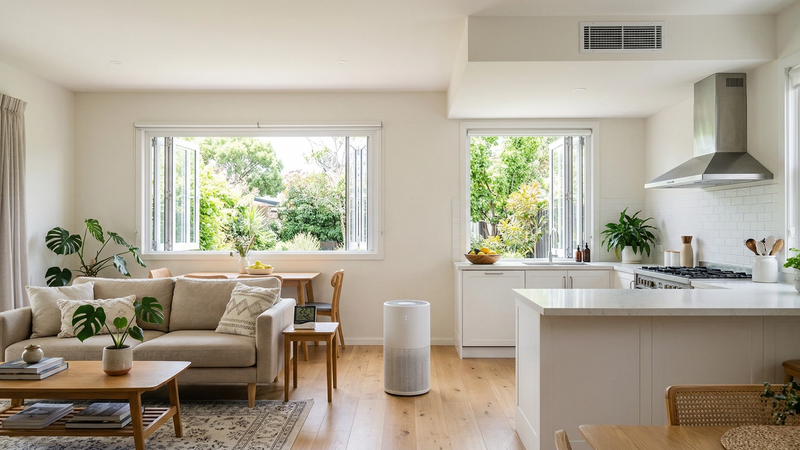
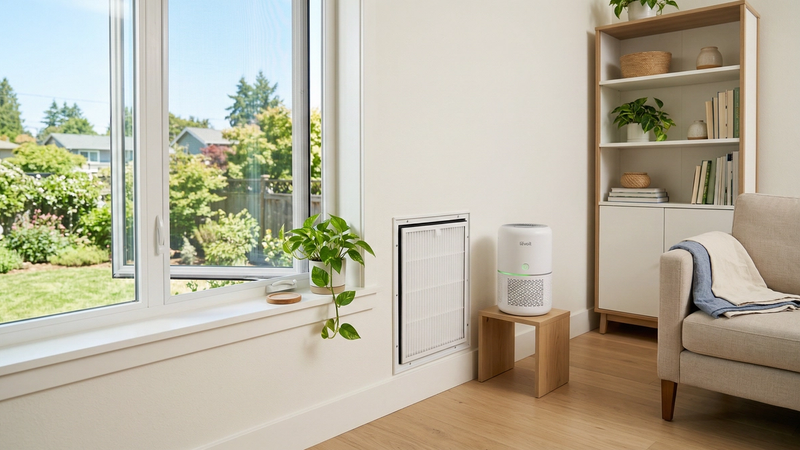
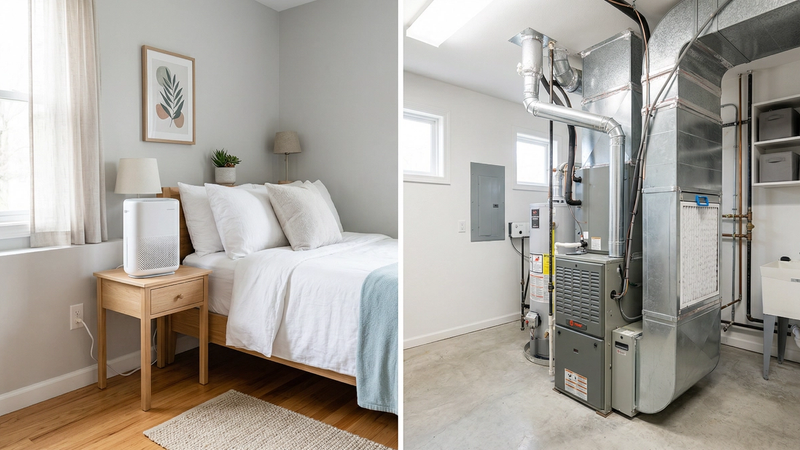
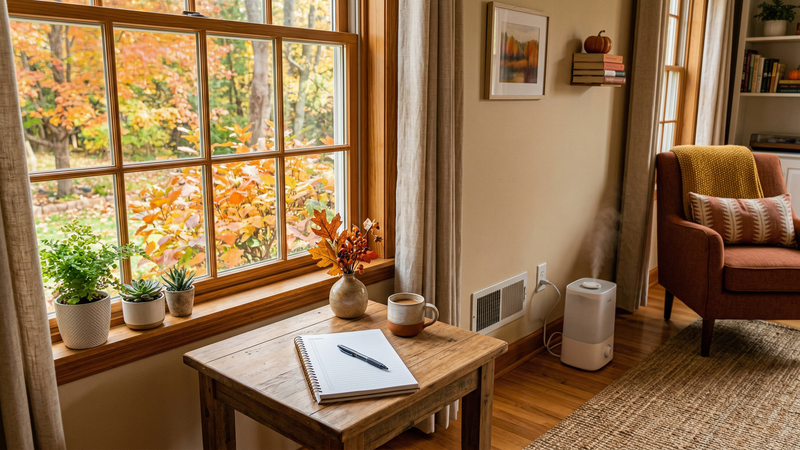
Learn how to reduce dust in your home with science-backed strategies that address dust sources, improve air quality, and reduce household dust buildup.

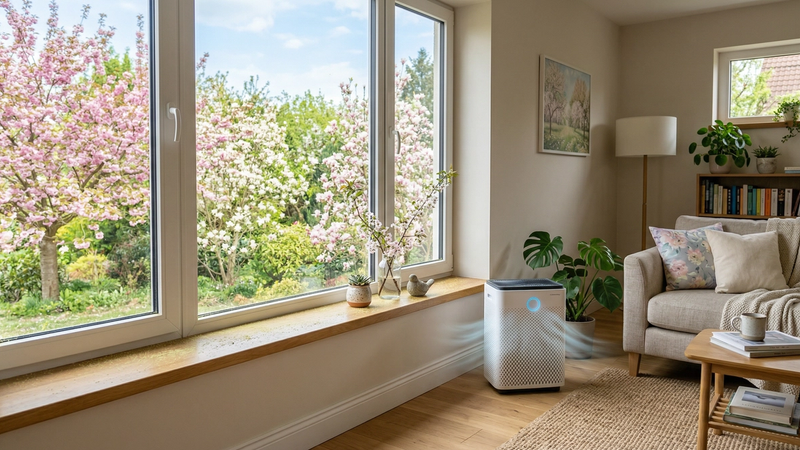
Learn how to reduce spring allergies at home by managing indoor pollen. Discover practical strategies to prevent pollen entry and improve seasonal indoor air quality.

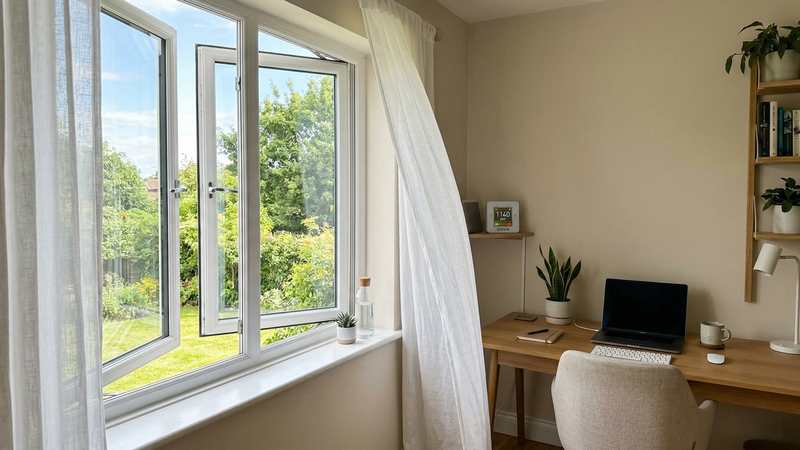
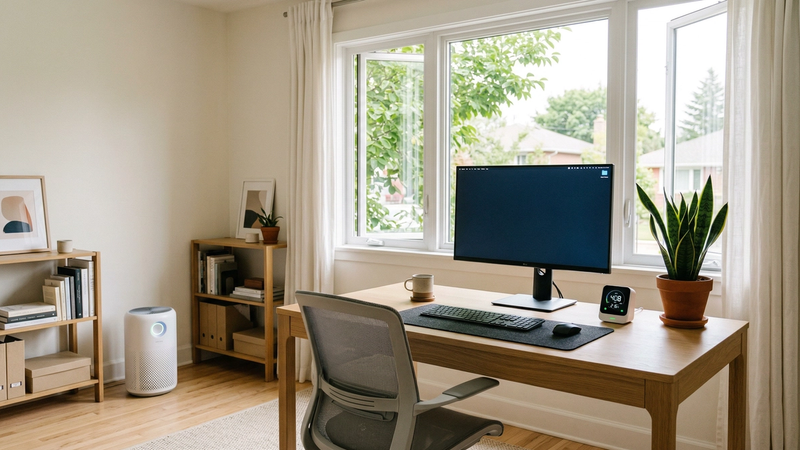
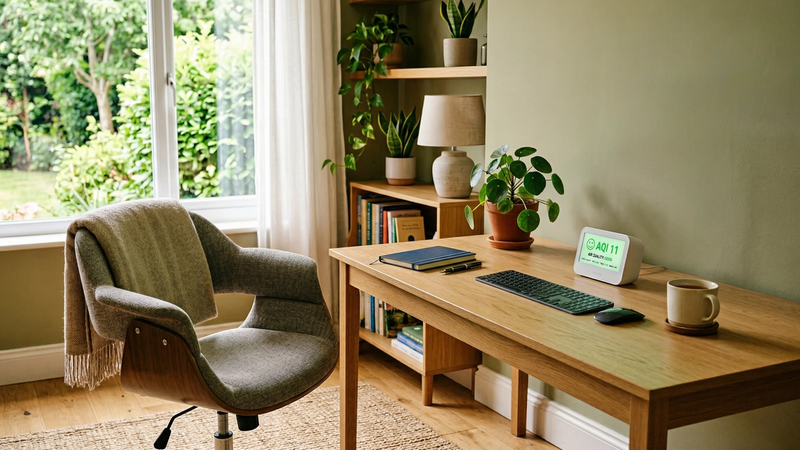
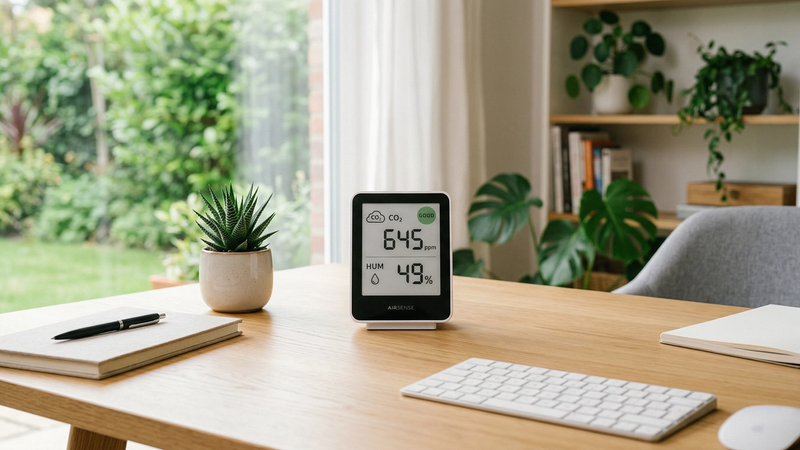
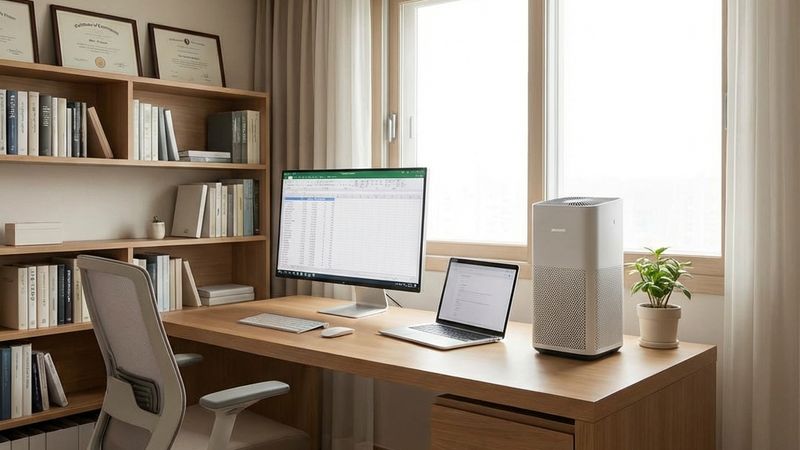
Learn how to improve home office air quality to enhance focus, comfort, and productivity with evidence-based strategies for ventilation and air filtration.

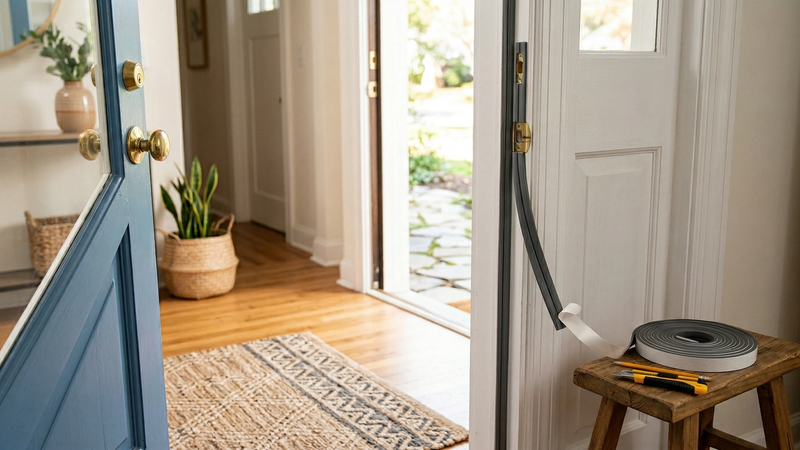
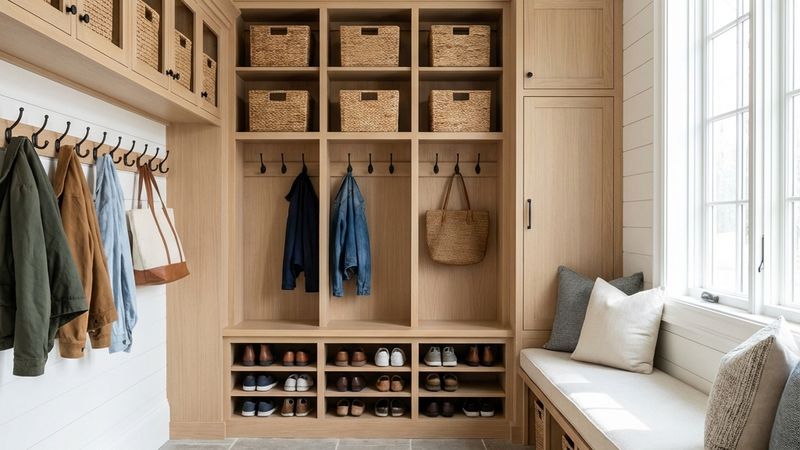
Learn how to improve entryway air quality by managing what gets tracked indoors—pollen, smoke, pesticides, and outdoor pollutants—with effective mudroom strategies.

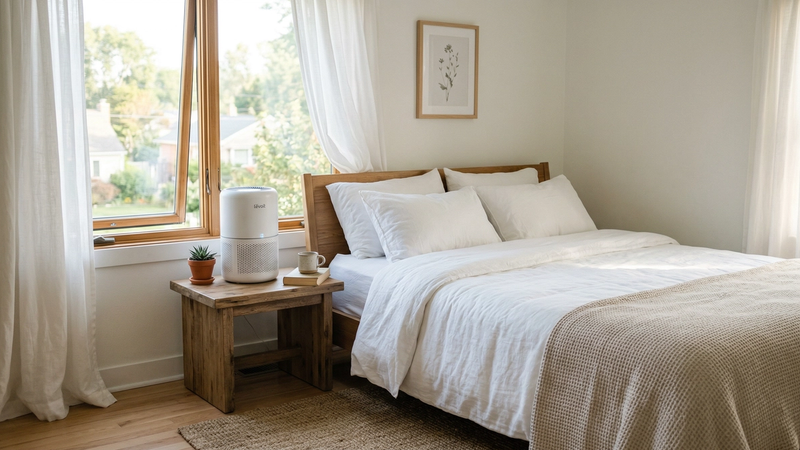
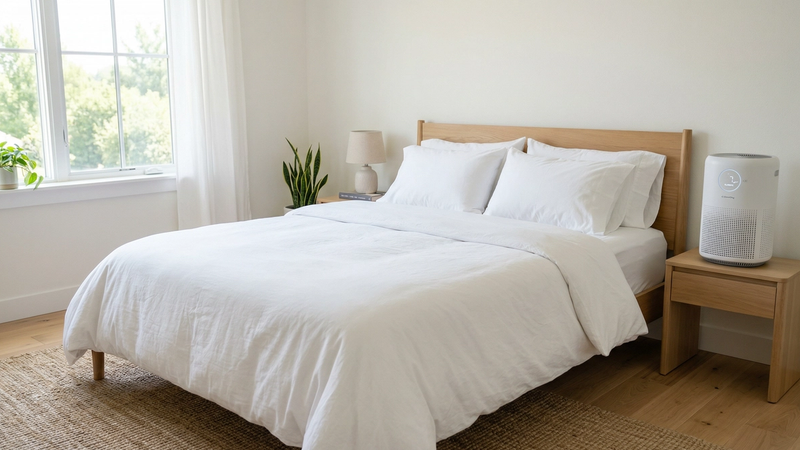
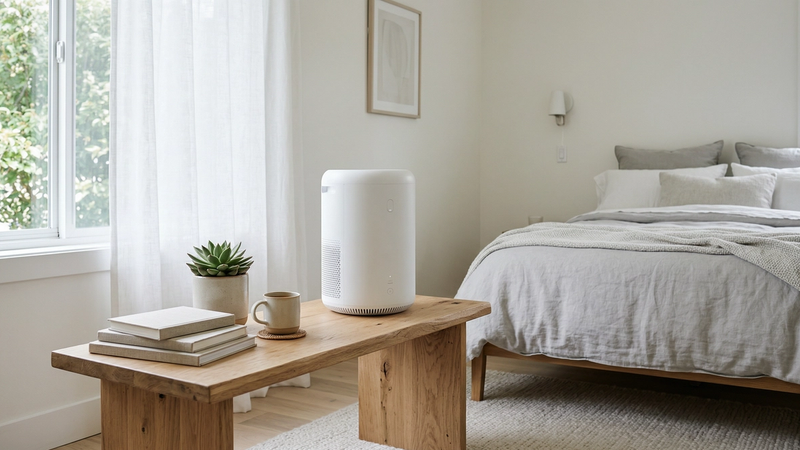
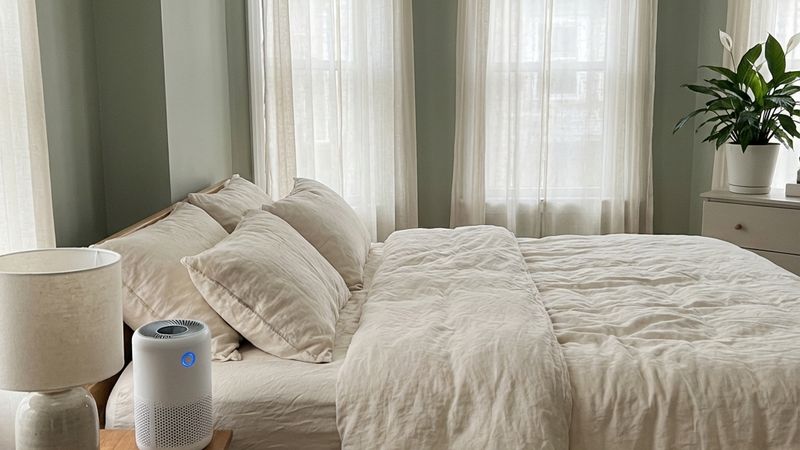
Learn how to improve bedroom air quality for better sleep and health with evidence-based strategies for ventilation, allergen control, and air purification.

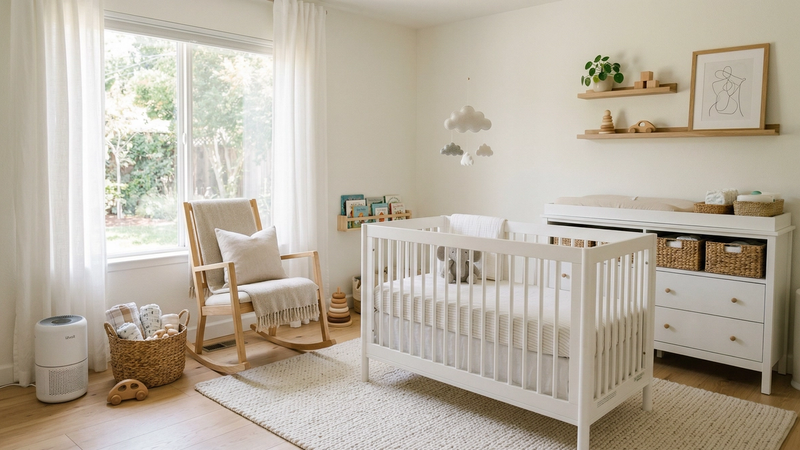
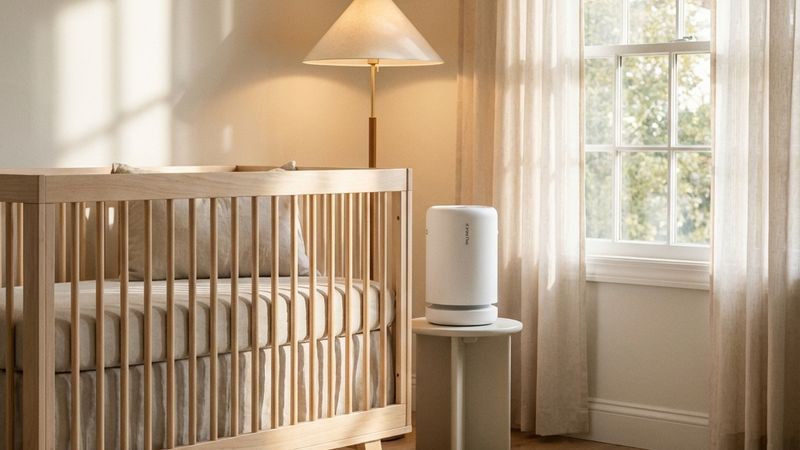
Learn how to create healthier nursery air quality with evidence-based strategies for reducing VOCs, controlling allergens, and managing humidity in children's rooms.

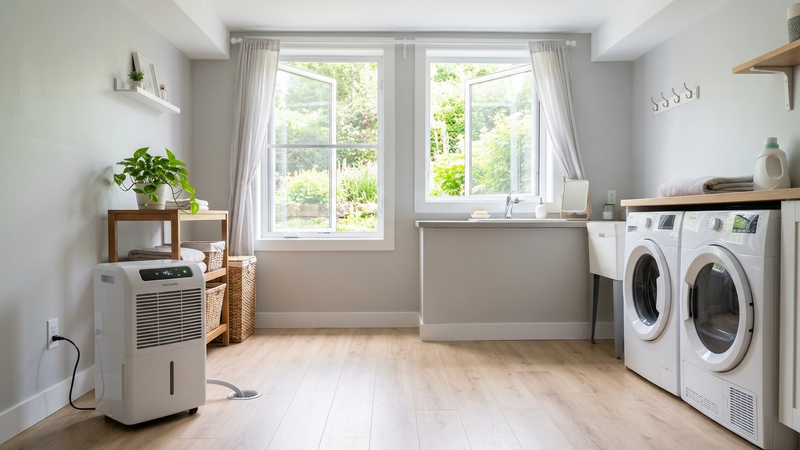
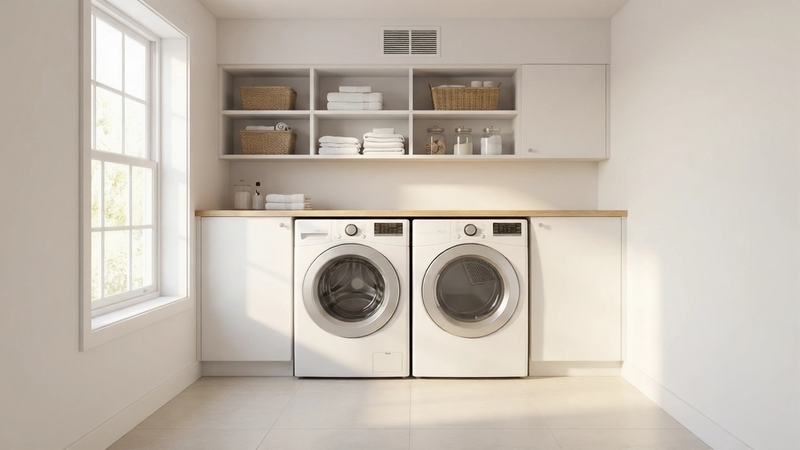
Learn how to manage laundry room air quality challenges including moisture, chemical VOCs from detergents, and proper dryer exhaust ventilation.

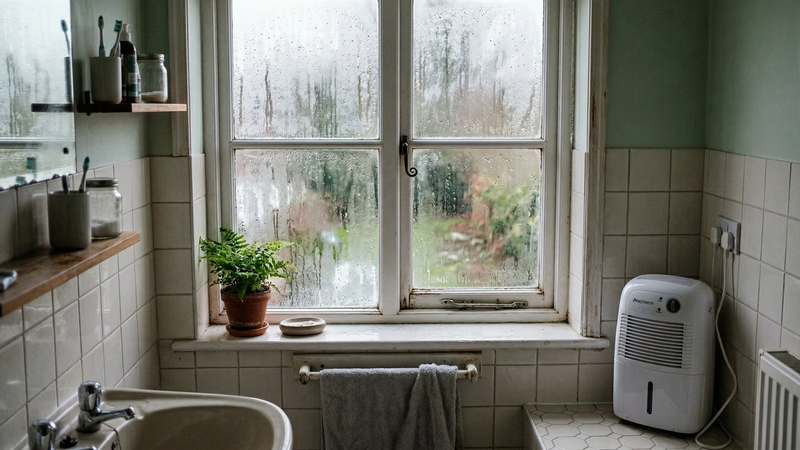
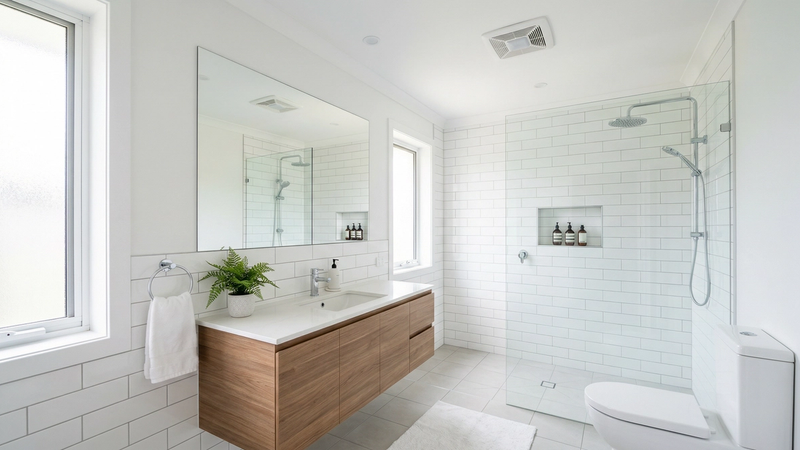
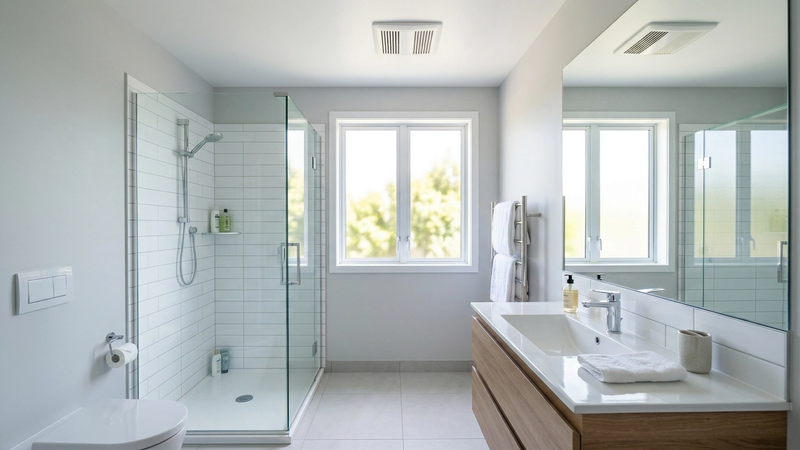
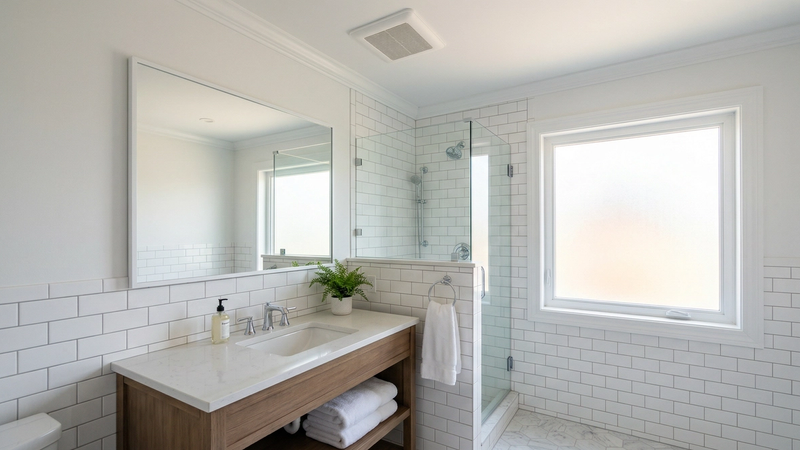
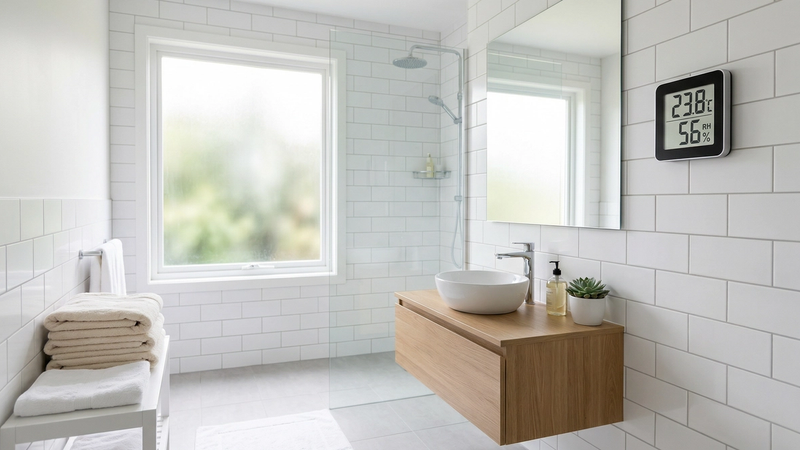
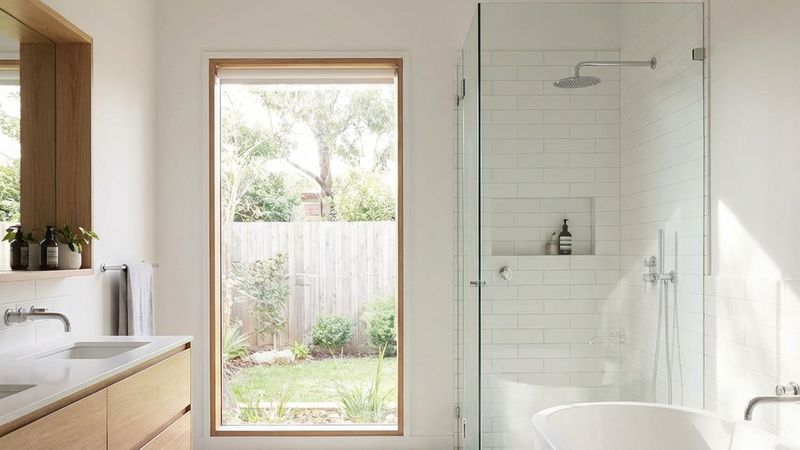
Learn how to manage bathroom air quality challenges including humidity, mold, and chemical pollutants with proper ventilation and moisture control strategies.
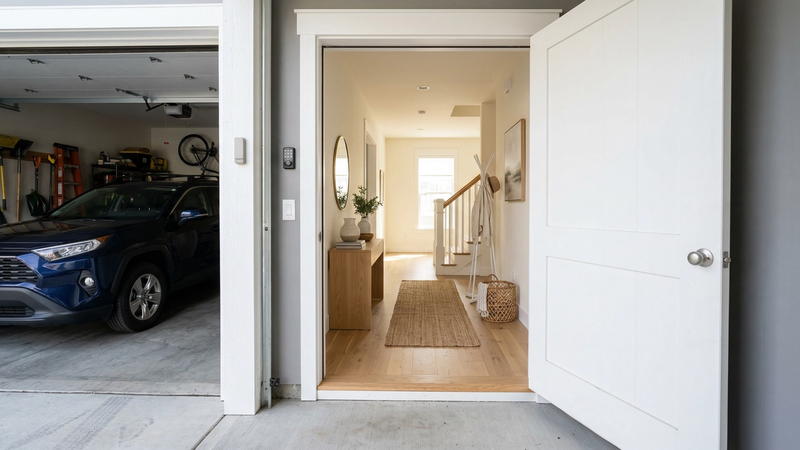
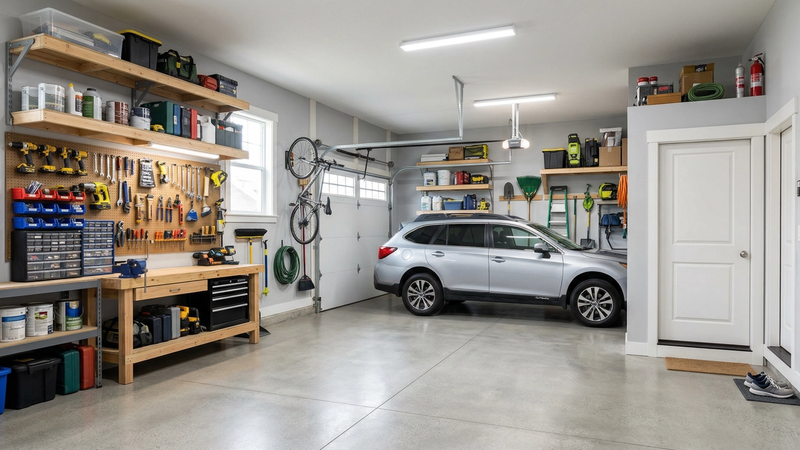
Learn how to manage garage air quality in attached garages to prevent combustion gases, chemical fumes, and carbon monoxide from entering your living spaces.

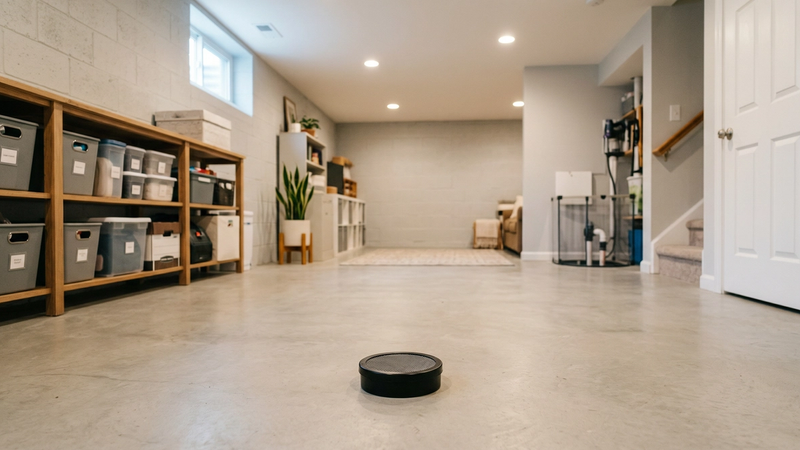
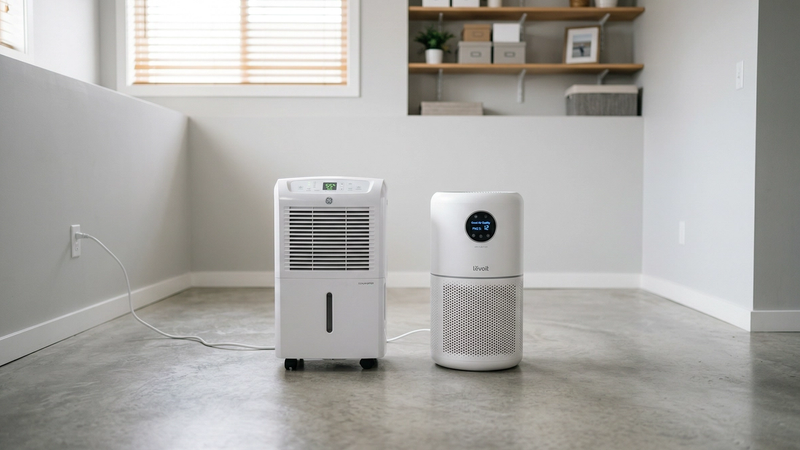
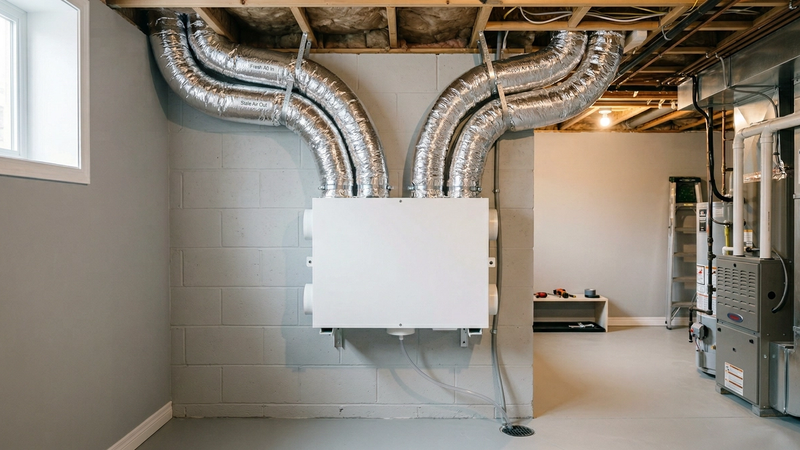
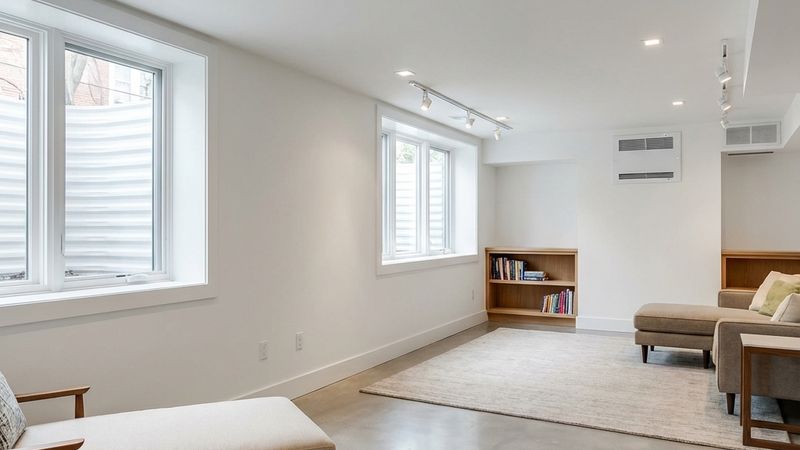
Learn how to manage basement air quality challenges including moisture, mold, radon, and stale air with practical strategies for dehumidification and ventilation.

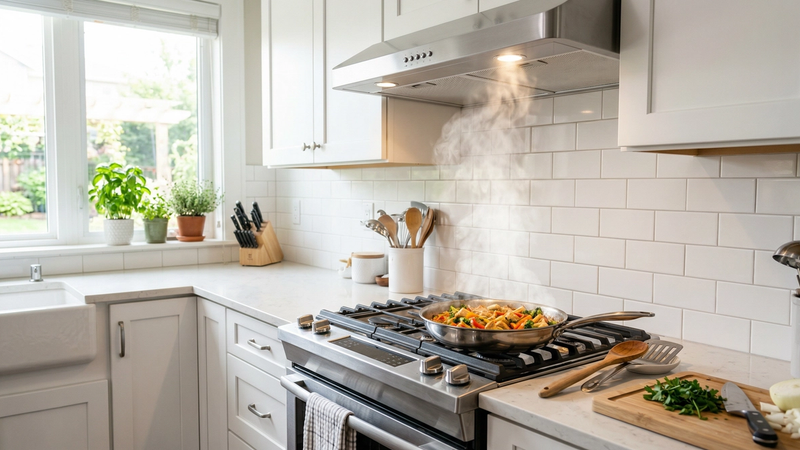
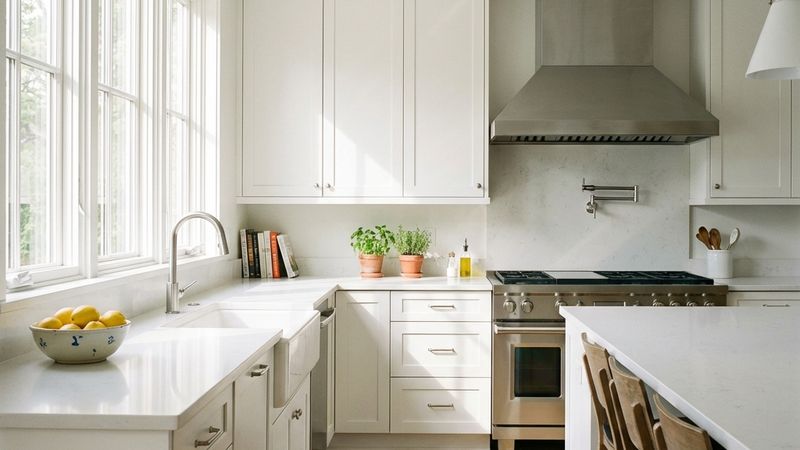
Learn how kitchen air quality impacts your entire home, from cooking PM2.5 and gas stove emissions to effective kitchen ventilation and moisture management strategies.

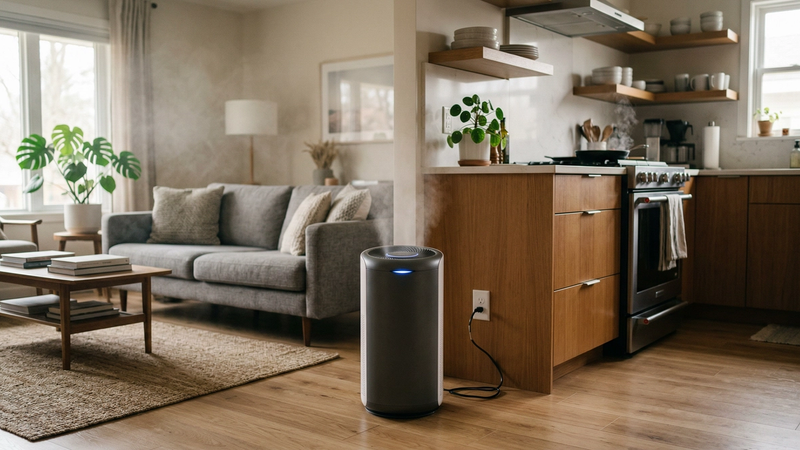
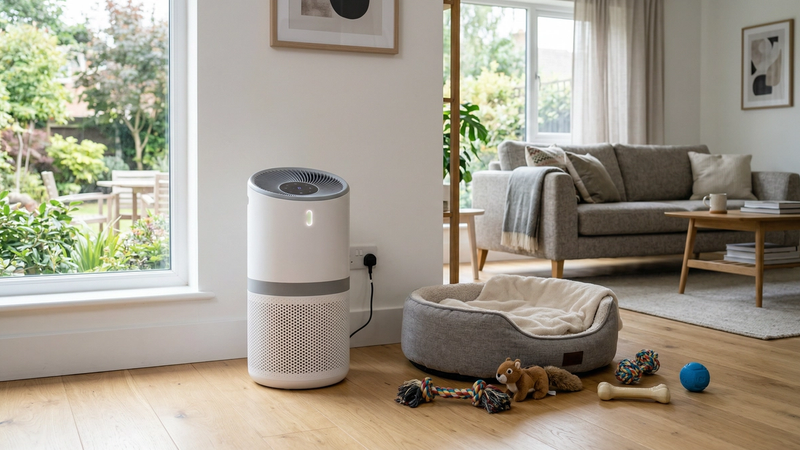
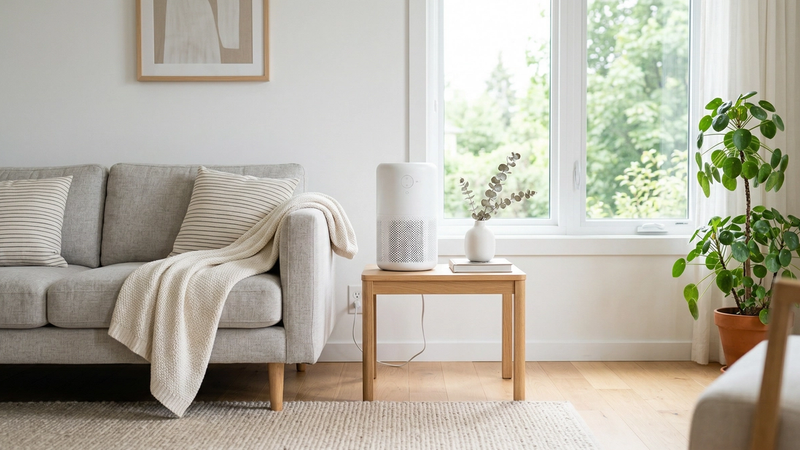
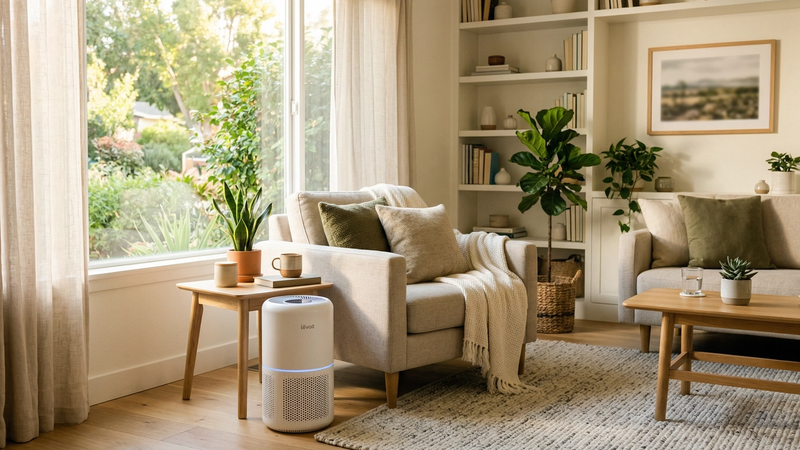
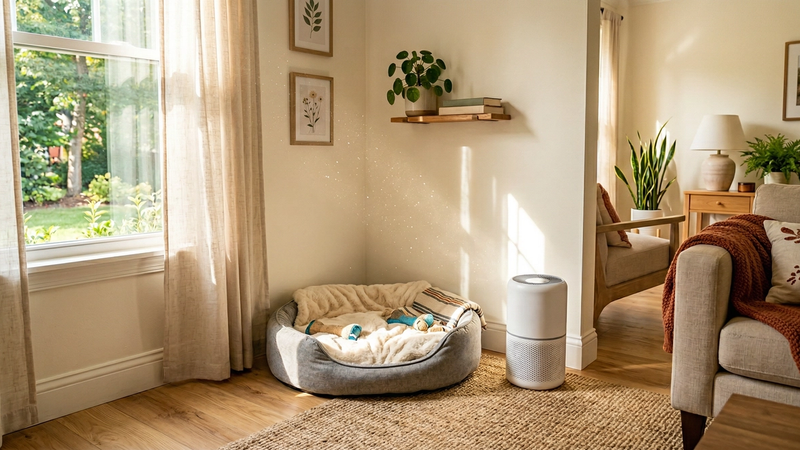
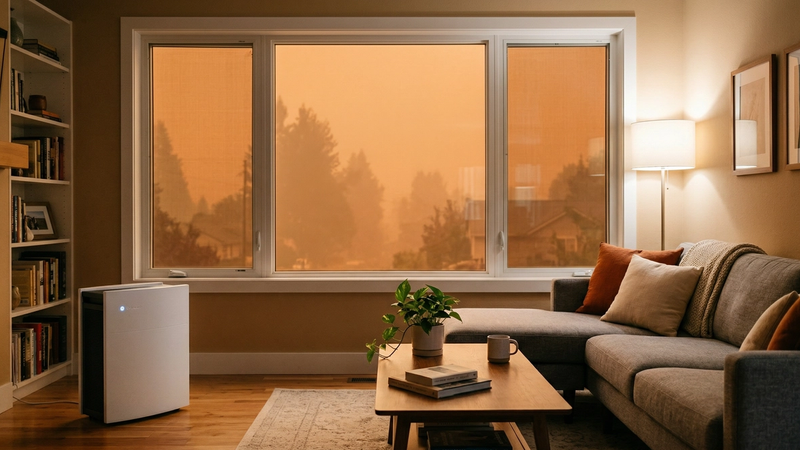
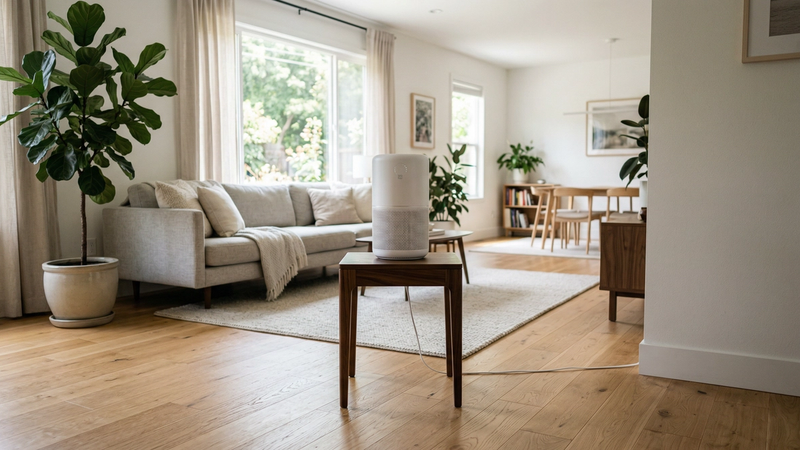
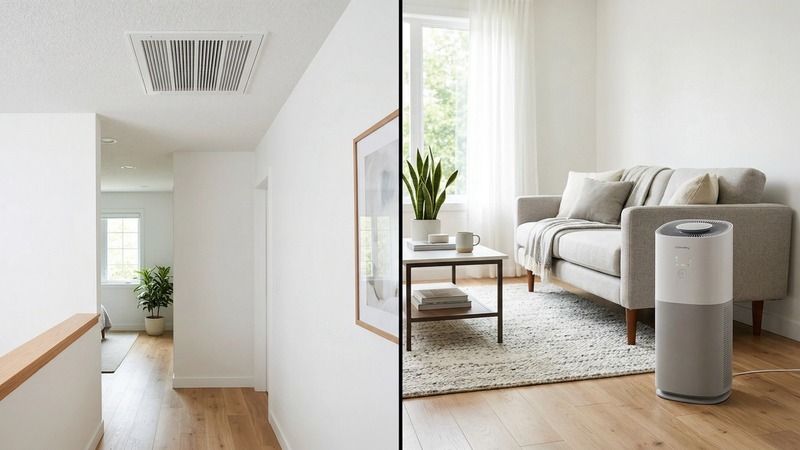
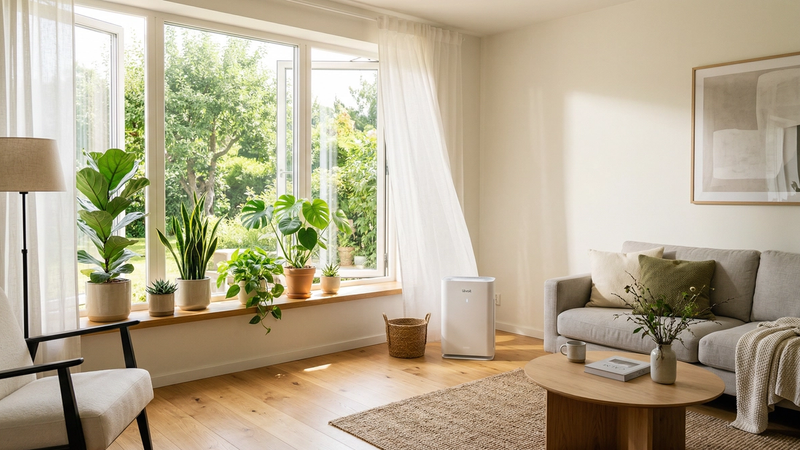
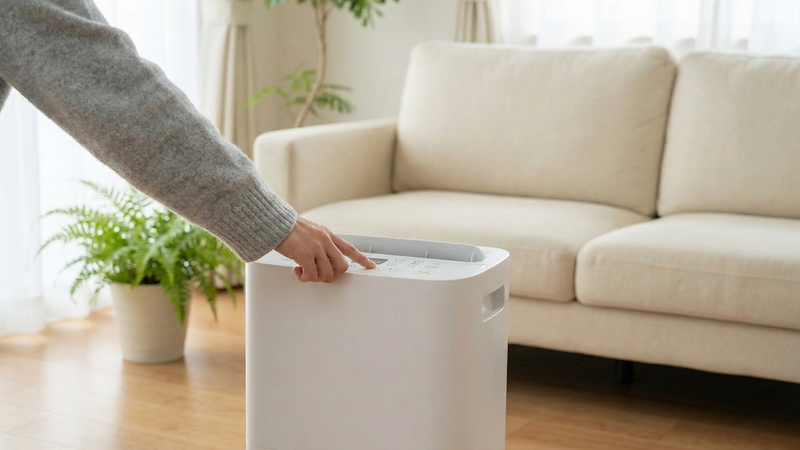
Learn how to improve living room air quality with targeted strategies for this high-use space, from choosing the right air purifier size to managing pet dander and furniture VOCs.

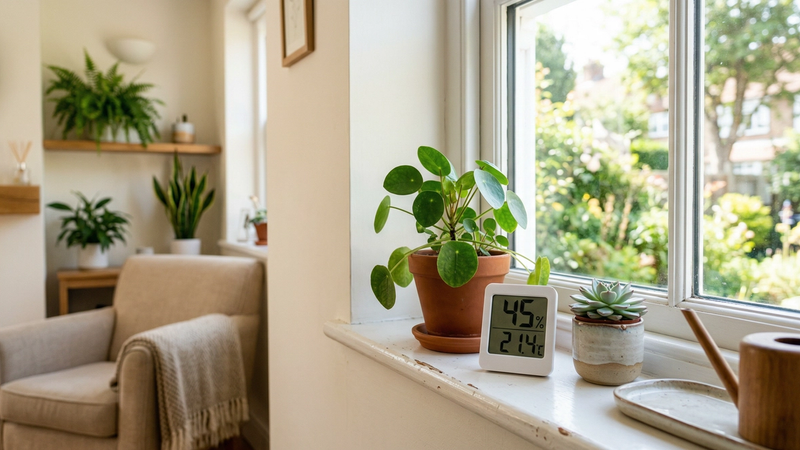
Houseplants offer real benefits—but cleaner air usually requires more than greenery alone. Learn what science really says about plants and air purification.

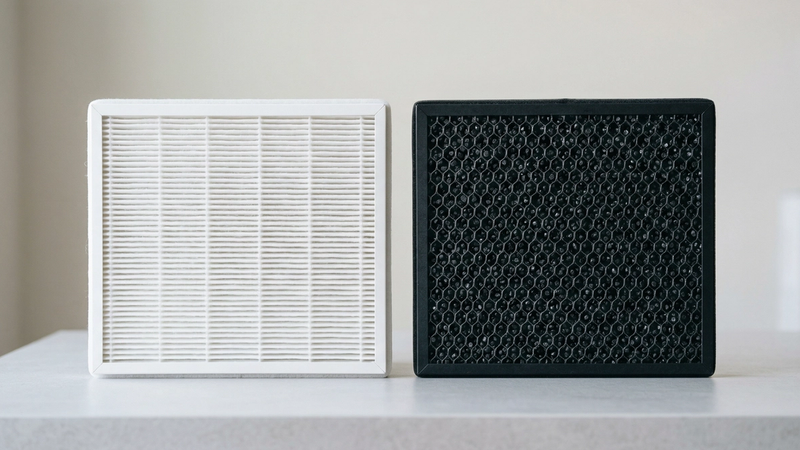
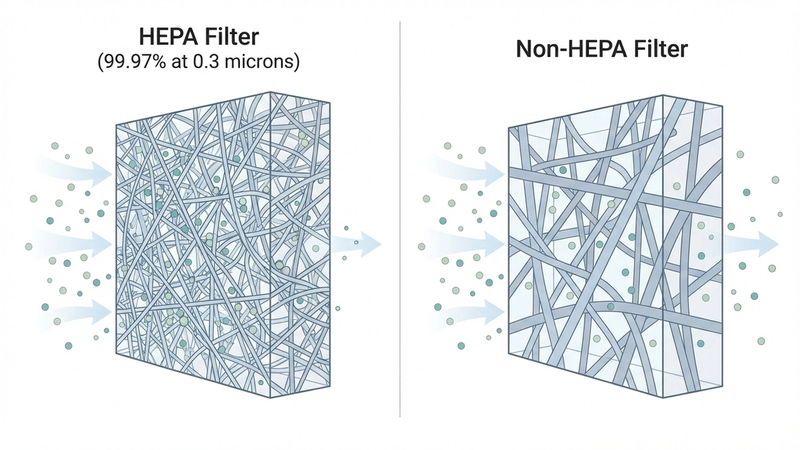
HEPA and non-HEPA filters don’t just differ in name. This guide explains how each works, what they actually remove from indoor air, and which option makes sense for your home.

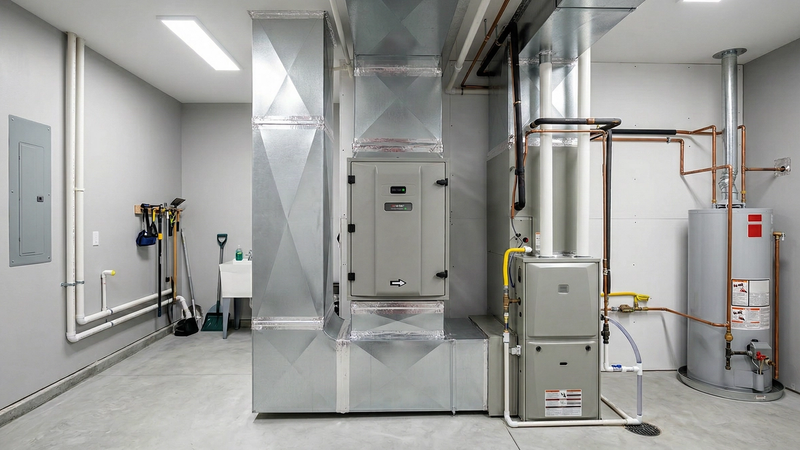
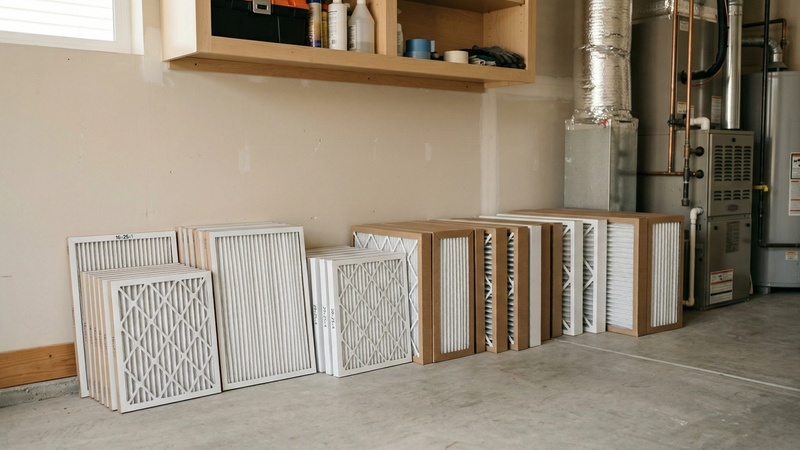
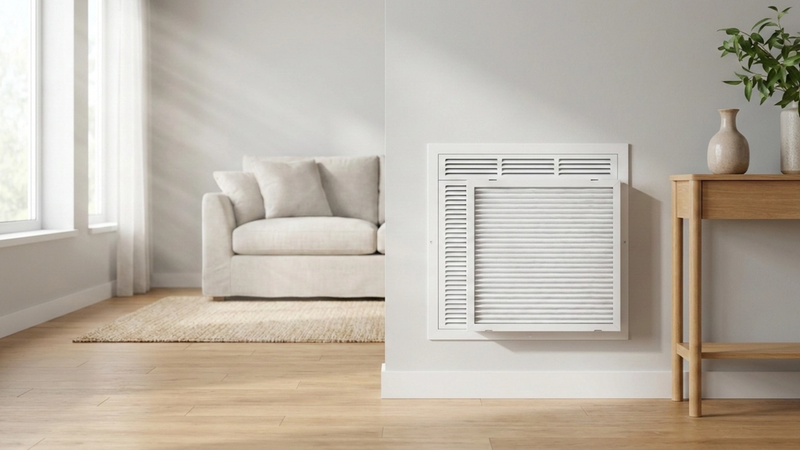
Which MERV rating is best for your home? For most households, the right answer isn’t “the highest number,” but the filter that balances clean air with proper airflow. In real homes, we commonly see MERV 8 or MERV 11 deliver meaningful improvements in dust, allergens, and fine particles—without overworking the HVAC system. This guide explains how MERV ratings actually work, what we see during indoor air quality assessments, and how to choose the right filter for your home with confidence.

Learn how to prevent mold in your home with practical tips on moisture control, ventilation, and early detection. This mold prevention guide helps homeowners keep indoor air healthy.

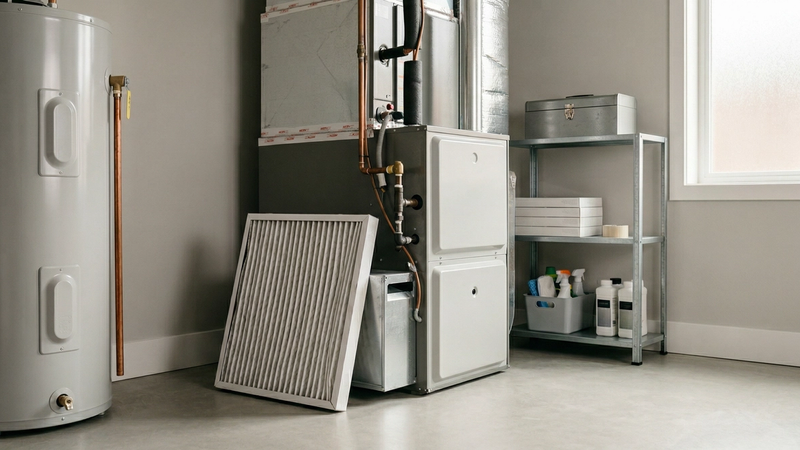
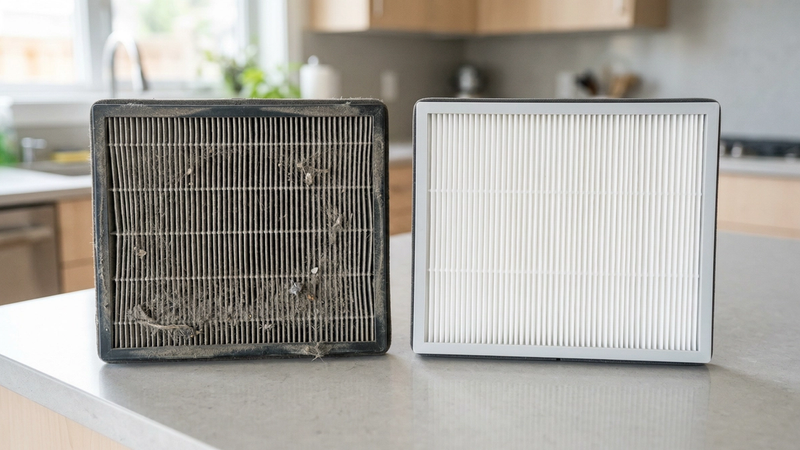
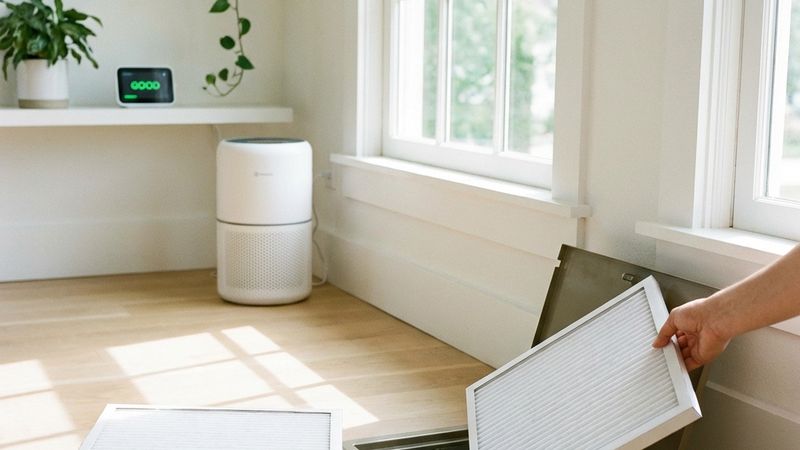
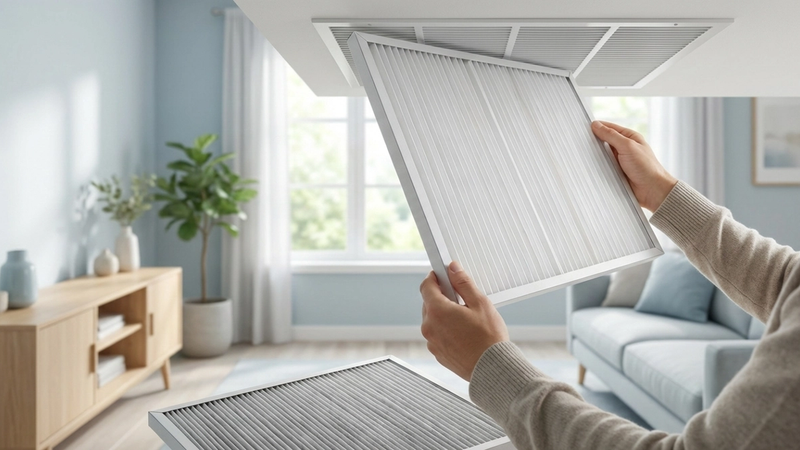
How often should you change your home air filter? Learn the right replacement schedule, signs it’s time to change, and how filters affect indoor air quality.

Understand what VOCs are, where they come from, and how to reduce them in your home. Learn practical steps to improve indoor air quality and protect your family.

Learn the most common signs your home has bad air, how to spot them early, and what steps homeowners can take to improve indoor air quality safely and effectively.

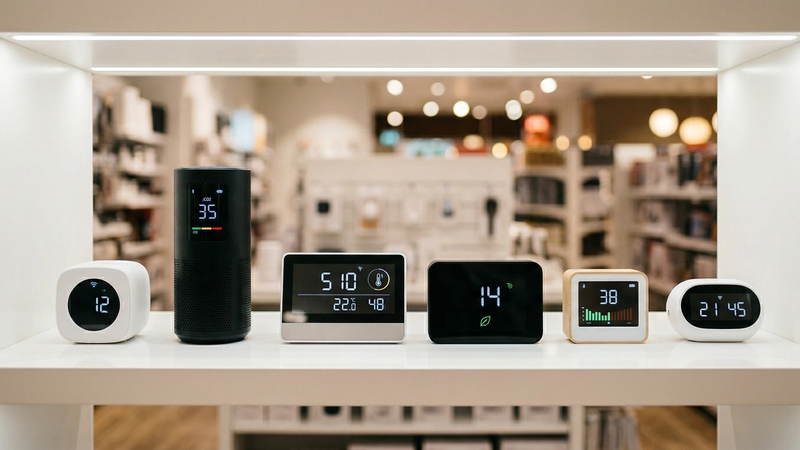
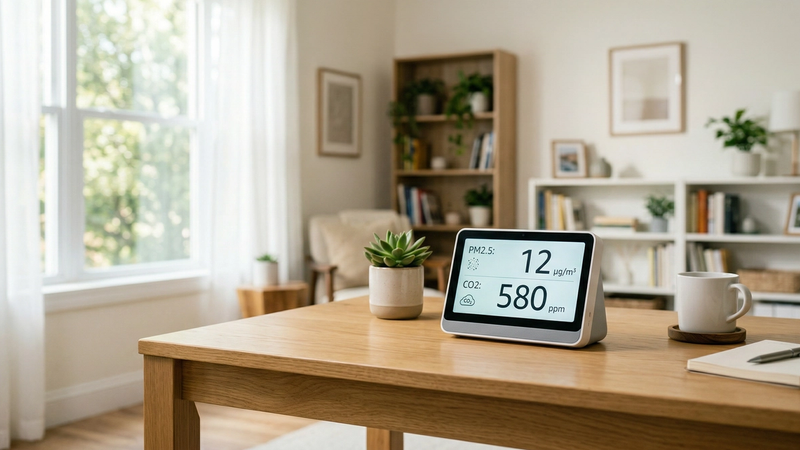
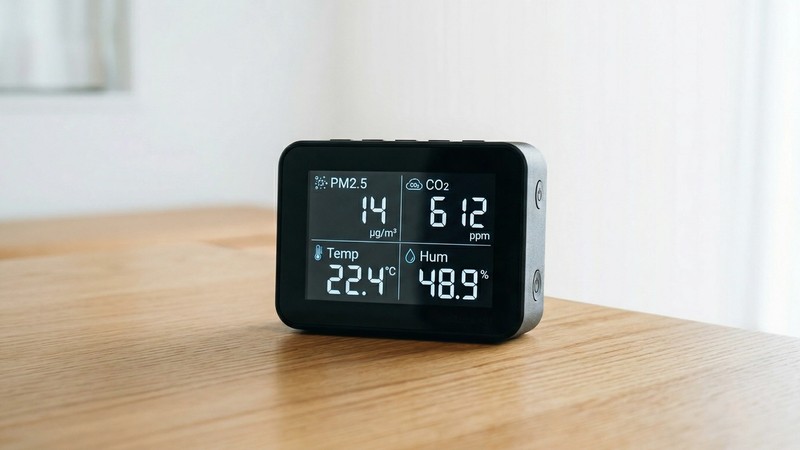
PM2.5 refers to tiny airborne particles that can affect your home’s air quality. Learn what PM2.5 is, where it comes from, and how to reduce it for a healthier living environment.

Indoor air quality describes how clean and healthy the air inside your home is. This guide explains what affects IAQ, common warning signs, and simple steps homeowners can take to improve the air they breathe every day.