Introduction
Mold prevention starts with one core principle: control moisture. Mold needs only three things to grow—moisture, organic material, and time—and every home has the organic material already. That’s why moisture control is the foundation of every mold prevention strategy.
When homeowners ask how to stop mold from forming, the most effective approach is targeting the conditions that allow mold to thrive. In most homes we assess, mold growth begins in damp, poorly ventilated areas such as bathrooms, basements, attics, and around windows. Understanding what causes mold and how to prevent it can protect both your indoor air quality and the structure of your home.
This guide explains how mold forms, common warning signs, and the practical, proven steps homeowners can take to keep mold from becoming a recurring problem.
What Mold Prevention Means for Your Home
Preventing mold isn’t only about avoiding visible growth. Mold can affect:
- Indoor air quality
- Respiratory comfort
- Odors and mustiness
- Damage to walls, flooring, and insulation
Homeowners commonly notice mold-related issues during seasonal humidity changes, after plumbing leaks, or in rooms where moisture lingers. Taking proactive steps helps you avoid costly remediation and long-term structural concerns.
Symptoms, Signs, or Indicators of Mold Risk
Even without visible mold, certain conditions signal a high risk:
- Condensation on windows or cold surfaces
- Musty odors, especially in basements or bathrooms
- Peeling paint or bubbling drywall
- Dark spotting around vents, tubs, or window frames
- Damp carpet or persistent moisture on flooring
- Rooms that feel humid or stuffy
Early detection is critical. In most homes we see, minor moisture issues go unnoticed until mold has already developed behind walls or under flooring.
Common Causes of Mold Growth
1. High Indoor Humidity
Humidity above 60 percent creates ideal mold conditions.
2. Poor Ventilation
Under-ventilated bathrooms, laundry rooms, and kitchens trap moisture.
3. Water Leaks
Roof leaks, plumbing issues, and foundation cracks often lead to hidden mold.
4. Condensation
Cold surfaces attract moisture, especially around windows and metal pipes.
5. Flooding or Water Intrusion
Any standing water dramatically increases mold risk, even after it dries.
How to Fix or Improve It
1. Control Humidity
Keep indoor humidity between 30–50% year-round.
Ways to maintain this range:
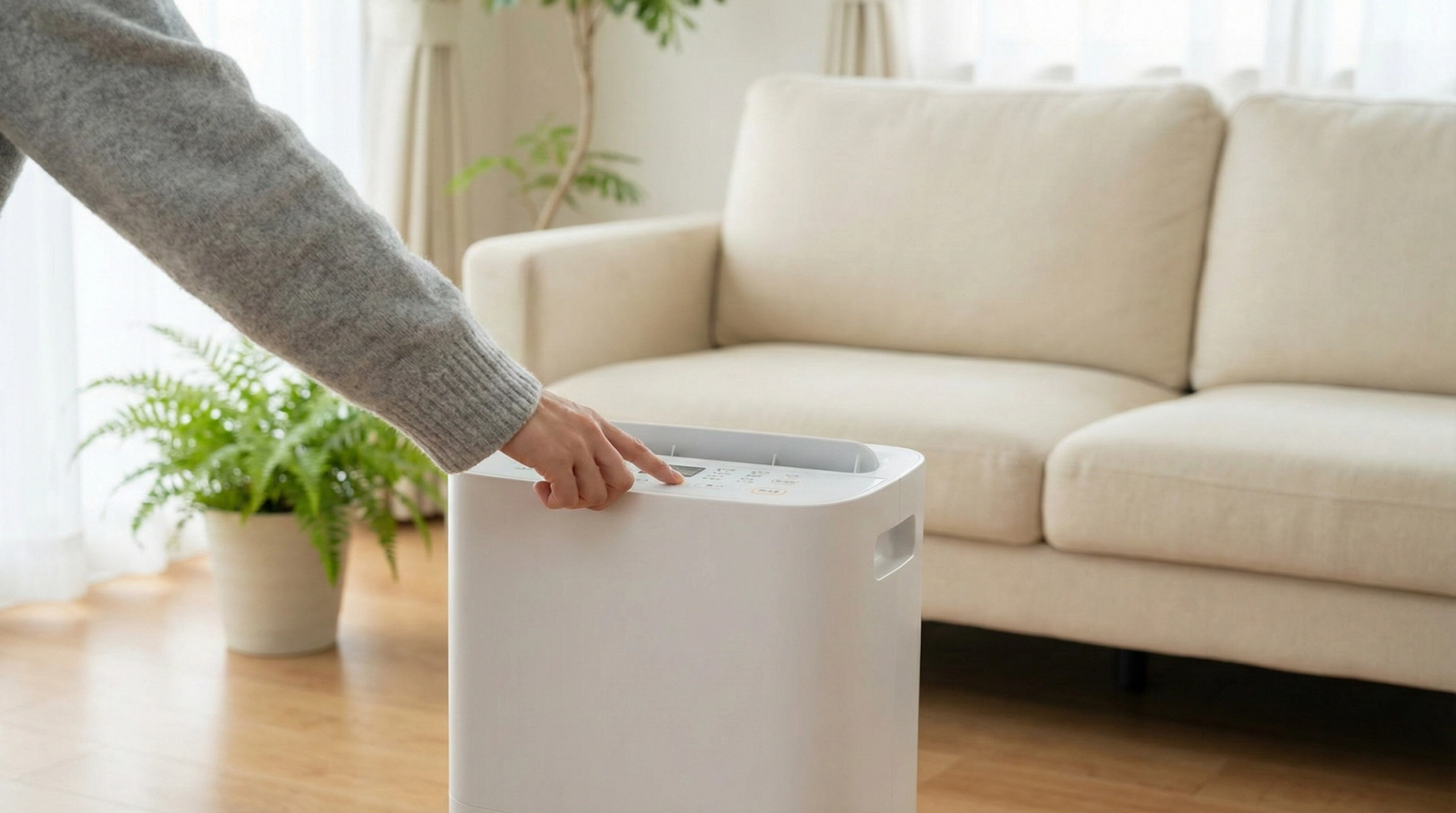
- Use dehumidifiers in basements or damp rooms
- Run bathroom fans after showers
- Improve airflow with ceiling or portable fans
- Keep HVAC systems serviced
2. Improve Ventilation
- Run exhaust fans during and after cooking and bathing
- Ensure attic and crawl spaces have proper ventilation
- Open windows when outdoor humidity is lower than indoors
3. Fix Water Leaks Quickly
Check:
- Under sinks
- Around toilets
- Basement walls
- Attic roof decking after storms
Even small drips can create mold over time.
4. Manage Condensation
- Add insulation around cold pipes
- Improve window seals
- Use thermal curtains in colder climates
5. Keep Surfaces Dry
- Wipe down shower walls
- Avoid leaving wet towels or clothes indoors
- Empty refrigerator drip pans
6. Clean Regularly
HEPA vacuums and microfiber cloths help reduce dust—which mold uses as food.
Professional Insight
You should consult an indoor air quality professional when:
- A musty odor persists despite cleaning or drying
- Mold returns repeatedly in the same spot
- You suspect mold behind walls, flooring, or insulation
- The affected area is larger than 10 square feet
- Someone in the home experiences allergies or respiratory irritation that improves when away from the house
Professionals use moisture meters, thermal cameras, and air sampling to identify hidden moisture issues and recommend long-term solutions.
Prevention Tips
- Keep humidity between 30–50%
- Repair leaks immediately
- Use exhaust fans consistently
- Clean gutters to prevent roof moisture intrusion
- Store firewood outside, not indoors
- Avoid carpet in basements
- Maintain proper grading around your home to divert water
People Also Ask
What stops mold from growing in a house?
Keeping humidity low and eliminating moisture sources is the key to stopping mold growth.
Can mold grow even if you clean regularly?
Yes. Cleaning removes spores, but moisture—not cleanliness—is what drives mold growth.
What humidity level prevents mold?
A humidity range of 30–50 percent helps prevent mold from forming.
How do I prevent mold in my bathroom?
Run exhaust fans, wipe down wet surfaces, and keep humidity low.
Conclusion
Mold prevention is ultimately about controlling moisture and improving ventilation. By managing humidity levels, fixing leaks quickly, and staying alert to early signs of mold, homeowners can maintain a healthier indoor environment and avoid expensive repairs. With the right habits and tools, preventing mold becomes a manageable part of caring for your home’s indoor air quality.
FAQs
1. Does mold always mean there’s a leak?
Not always. High humidity alone can cause mold, even without a plumbing or roofing issue.
2. Should I use bleach to remove mold?
Bleach can lighten stains but doesn’t penetrate porous materials well. For non-porous surfaces, it can help, but deeper mold needs proper remediation.
3. How fast can mold grow after water damage?
Mold can begin growing in as little as 24–48 hours if moisture remains.
4. Can an air purifier prevent mold?
HEPA purifiers remove airborne spores but cannot stop mold from forming if moisture persists.
5. Why does mold keep coming back?
Recurring mold almost always points to a moisture problem that hasn’t been fully resolved.
6. What areas of the home are most at risk?
Basements, bathrooms, attics, and laundry rooms are the most common problem areas.
7. When should I consider a full mold inspection?
If musty odors persist, mold recurs, or you suspect hidden water damage.
Frequently Asked Questions
What humidity level prevents mold growth?
Keep indoor relative humidity between 30% and 50%. Above 60%, mold growth accelerates rapidly. Track humidity with a hygrometer or smart monitor, and run a dehumidifier in damp areas like basements or bathrooms as needed.
How quickly can mold grow after water damage?
Mold can begin growing within 24 to 48 hours of water exposure. That's why drying wet materials — flooring, drywall, insulation — within the first 24 hours is critical after any leak or flooding event.
What are the early signs of mold in a home?
Early signs include a musty smell, visible dark spots on walls or grout, persistent allergy-like symptoms indoors, and condensation on windows or pipes. Catching mold early — before it spreads behind walls — makes remediation far easier.
Is bleach effective for removing mold?
Bleach works on non-porous surfaces like tile or glass. It is not effective on porous materials like drywall or wood because it cannot reach the root structure. Large mold areas (over 10 sq ft) should be handled by a professional.
Does an air purifier help with mold?
An air purifier with a true HEPA filter captures airborne mold spores and reduces their spread. However, it does not address the moisture source. Controlling humidity and removing mold at its source are always the primary steps.
Want to improve your home's air quality?
Take our comprehensive air quality quiz to get personalized recommendations.
Take the Quiz