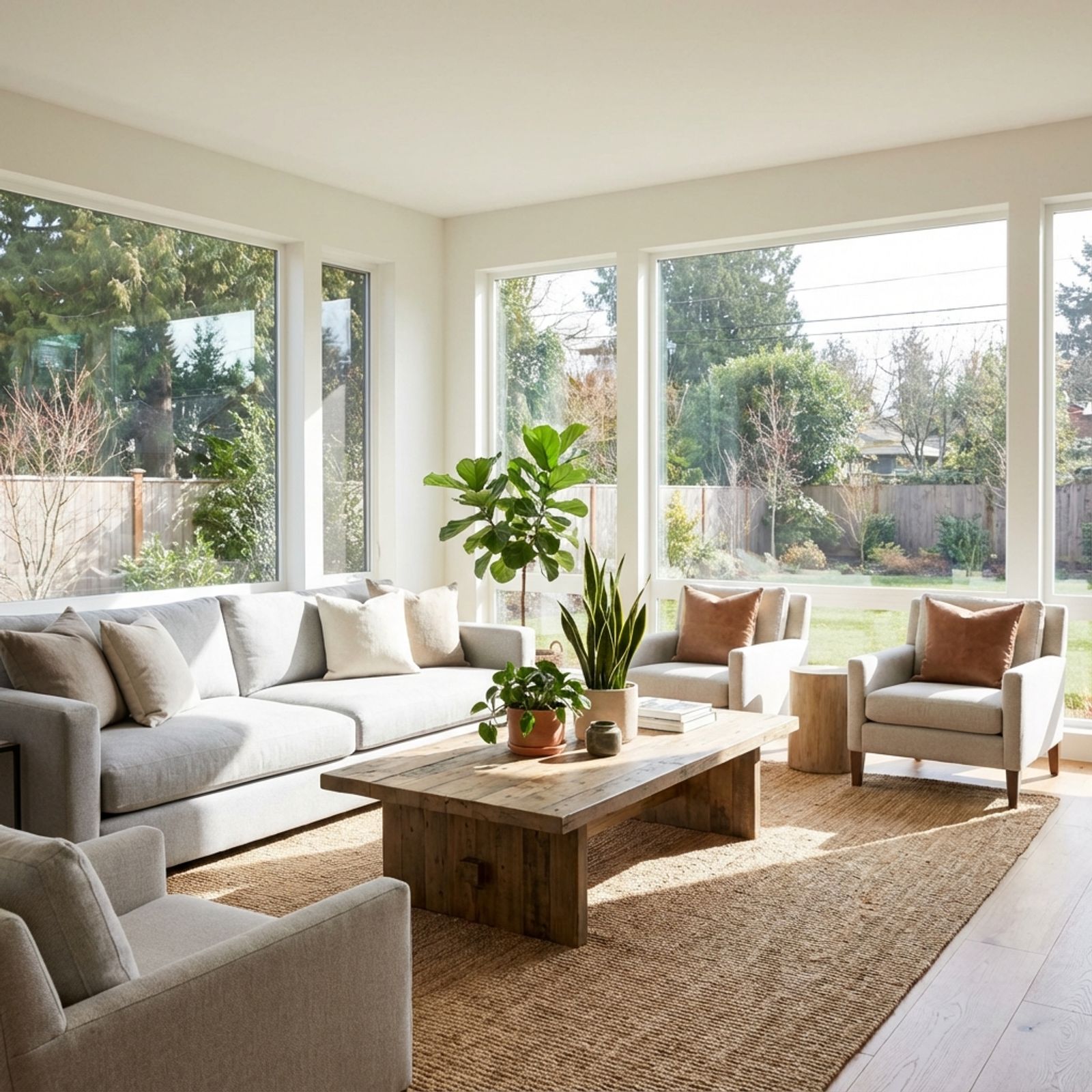
The living room is often where families spend the most time together—relaxing, entertaining, watching TV, and simply being. Given how much time you spend in this space, living room air quality deserves special attention. Poor air in this high-use area can affect everyone in the household.
Living rooms face unique air quality challenges. Open floor plans can spread pollutants throughout connected spaces. Furniture and fabrics release VOCs and harbor dust. Fireplaces introduce combustion byproducts. Pets shed dander. High foot traffic stirs up settled particles.
This guide explains how to assess and improve living room air quality using practical, evidence-based strategies tailored to the specific challenges of this central gathering space.
What This Means for Your Living Room
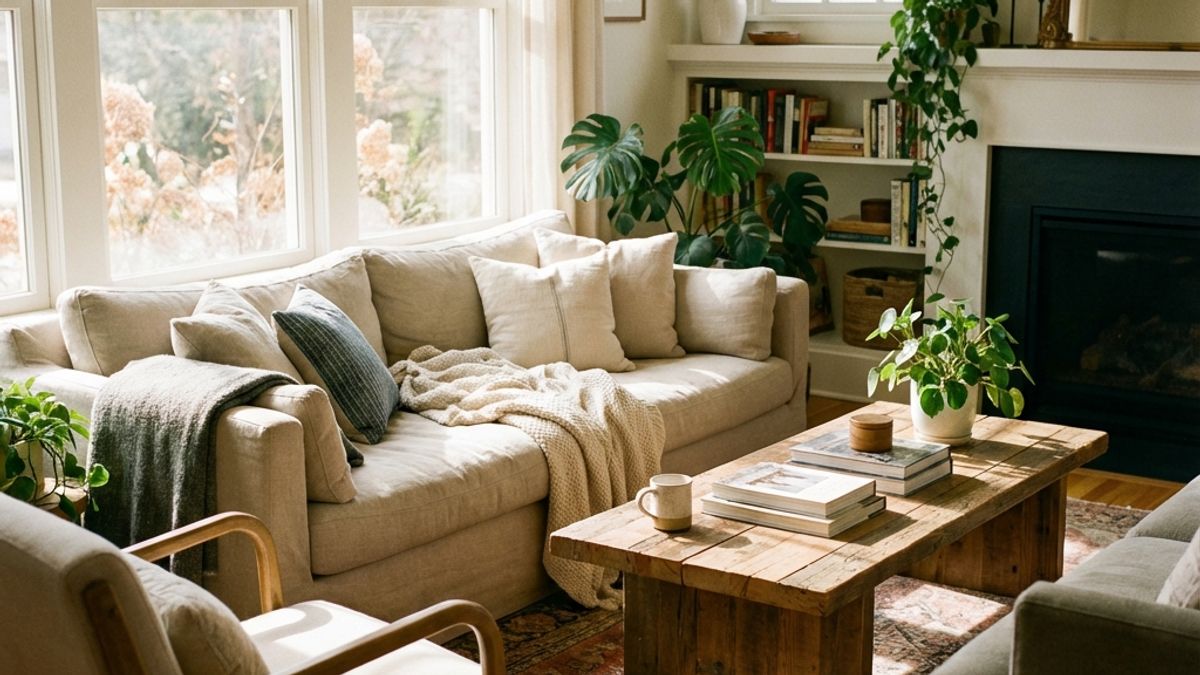
Your living room likely has higher pollutant levels than you realize. Upholstered furniture off-gasses VOCs from flame retardants and adhesives. Carpets and rugs trap dust, pet dander, and allergens. Electronics attract dust. Window treatments collect particles.
In open floor plan homes, the living room often serves as a central hub where air circulates to other spaces. Poor living room air quality can affect bedrooms, kitchens, and home offices. Addressing it benefits the entire home.
For families with young children who play on floors, or anyone with allergies or asthma, improving living room air quality can make a noticeable difference in daily comfort and health.
What Science Says About Living Room Air Quality
Research on indoor air shows that rooms with high occupancy and soft furnishings tend to accumulate more pollutants. Fabric surfaces absorb and re-release VOCs over time. Dust settles on horizontal surfaces and becomes airborne with activity.
Studies of room-by-room air quality find that living rooms often have elevated particulate matter from activities like cleaning, candle burning, and fireplace use. Pet ownership significantly increases allergen levels in spaces where pets spend time.
The good news: targeted interventions in living rooms show measurable improvements. Proper ventilation, filtration, and source control can reduce pollutant concentrations by 50% or more.
Common Myths About Living Room Air Quality
Several misconceptions prevent homeowners from effectively improving their living room air:
- Myth: Opening windows always improves air quality. Reality: In high-pollution areas or during pollen seasons, outdoor air can be worse than indoor air. Timing matters.
- Myth: Scented candles and air fresheners improve air quality. Reality: They add VOCs and particulates. Fragrance does not equal clean air.
- Myth: One air purifier can handle an entire open floor plan. Reality: Air purifier size matters. Coverage area must match your space size for effectiveness.
- Myth: Leather furniture is always better than fabric for air quality. Reality: Both have tradeoffs. Leather off-gasses chemicals; fabric traps more dust. Regular cleaning matters most.
Practical Steps to Improve Living Room Air Quality
Focus on these evidence-based strategies for your living room:
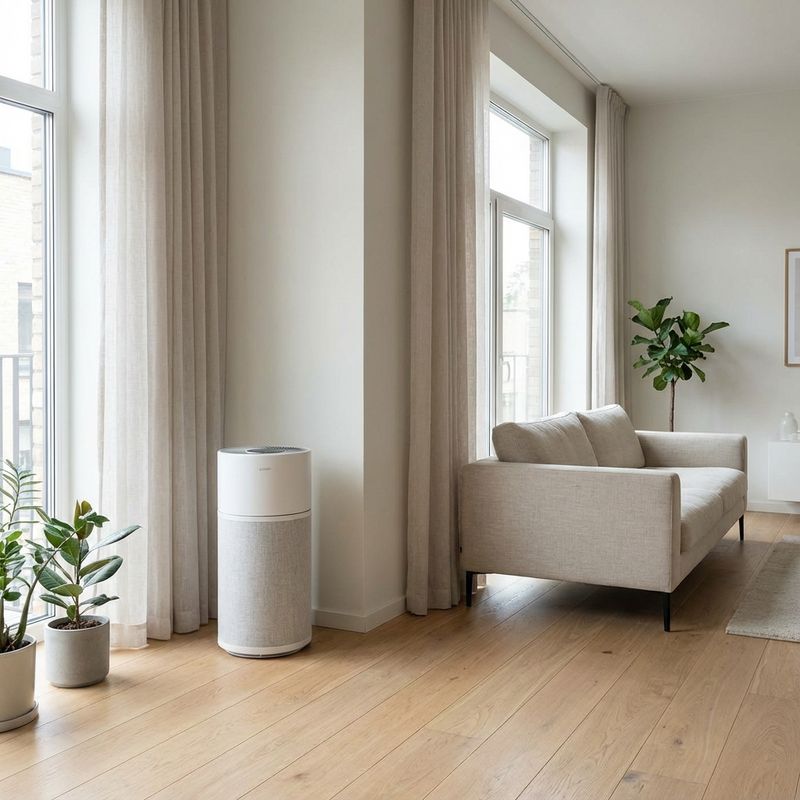
- Right-size your air purifier: For open floor plans, calculate total square footage including connected spaces. Choose a HEPA purifier rated for at least that coverage area.
- Vacuum upholstery monthly: Use vacuum attachments to clean sofas, chairs, and cushions. This removes dust and allergens that settle in fabric.
- Manage pet dander: If pets use the living room, vacuum twice weekly, wash pet bedding weekly, and groom pets regularly outdoors.
- Minimize dust-collecting clutter: Reduce decorative objects, open shelving, and unnecessary textiles. Less surface area means less dust accumulation.
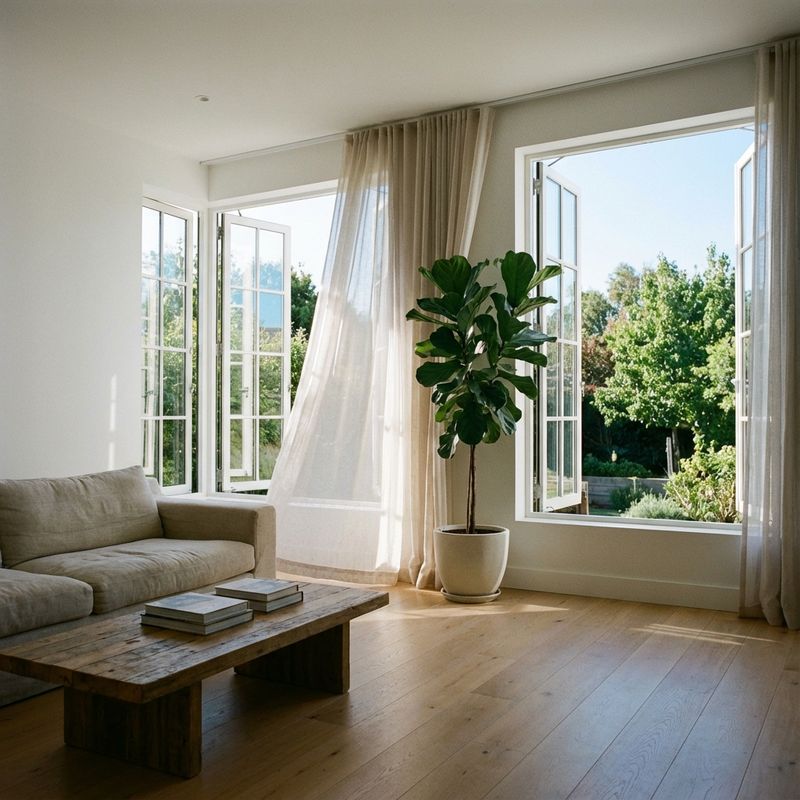
- Strategic ventilation: Open windows on opposite sides of the room during low-pollution hours to create cross-ventilation.
- Address fireplace emissions: If you have a fireplace, ensure proper ventilation, have the chimney cleaned annually, and consider switching to gas or eliminating fireplace use.
- Choose low-VOC furnishings: When replacing furniture, look for products certified low-VOC or made with natural materials.
When Living Room Air Quality Efforts Are Not Enough
Sometimes standard approaches do not resolve air quality issues:
- Persistent odors despite cleaning may indicate mold, hidden moisture problems, or off-gassing from walls or flooring.
- Allergy symptoms that worsen in the living room could signal dust mites, pet allergens, or mold that require professional assessment.
- Smoke infiltration from fireplaces or neighboring units may need duct sealing, better ventilation, or structural repairs.
If you have implemented basic improvements without results, consider professional indoor air quality testing to identify specific pollutants and their sources.
Room-by-Room Air Quality Improvement Checklist
Use this checklist to systematically improve your living room air quality:
- Install or upgrade to HEPA air purifier sized for your space (including open floor plan areas)
- Vacuum upholstered furniture monthly with HEPA vacuum
- Vacuum carpets and rugs twice weekly (daily if pets present)
- Damp-dust hard surfaces and window sills weekly
- Wash or vacuum window treatments monthly
- Remove shoes before entering to reduce tracked-in pollutants
- Avoid scented candles, incense, and air fresheners
- Open windows for cross-ventilation during low-pollution periods
- Change HVAC filter every 60-90 days
- Keep humidity between 30-50% to discourage mold and dust mites
Key Takeaways
- Living room air quality impacts the entire household since this is a high-use gathering space that often connects to other rooms.
- Furniture off-gassing, pet dander, dust from fabrics, and fireplace emissions are common living room air quality challenges.
- A properly sized HEPA air purifier, regular upholstery cleaning, and strategic ventilation provide the most significant improvements.
- Room-by-room air quality strategies work better than whole-house approaches alone—focus efforts where you spend the most time.
Frequently Asked Questions
What size air purifier do I need for my living room?
Measure your living room square footage, including connected spaces in open floor plans. Choose a HEPA purifier rated for at least that total area. Oversizing by 20-30% ensures adequate circulation.
How can I reduce pet dander in my living room?
Vacuum upholstery and floors twice weekly with a HEPA vacuum. Wash pet bedding weekly. Groom pets outdoors regularly. Use a HEPA air purifier sized for your space. These combined efforts reduce dander significantly.
Is it safe to use my fireplace with indoor air quality concerns?
Fireplaces release particulates and combustion byproducts indoors. If you must use one, ensure proper ventilation, have the chimney cleaned annually, and limit use. Gas fireplaces produce fewer pollutants than wood-burning.
Does new furniture always off-gas VOCs?
Most new furniture releases VOCs from adhesives, finishes, and flame retardants. Levels decrease over time. Look for low-VOC certified products. Ventilate well when bringing new furniture home. Off-gassing typically reduces significantly after a few weeks.
Can I improve living room air quality in an open floor plan?
Yes, but you need larger-capacity air purifiers to cover the total connected square footage. Focus on source control like removing VOC-emitting items and maintaining clean surfaces throughout the open space.
Want to improve your home's air quality?
Take our comprehensive air quality quiz to get personalized recommendations.
Take the Quiz