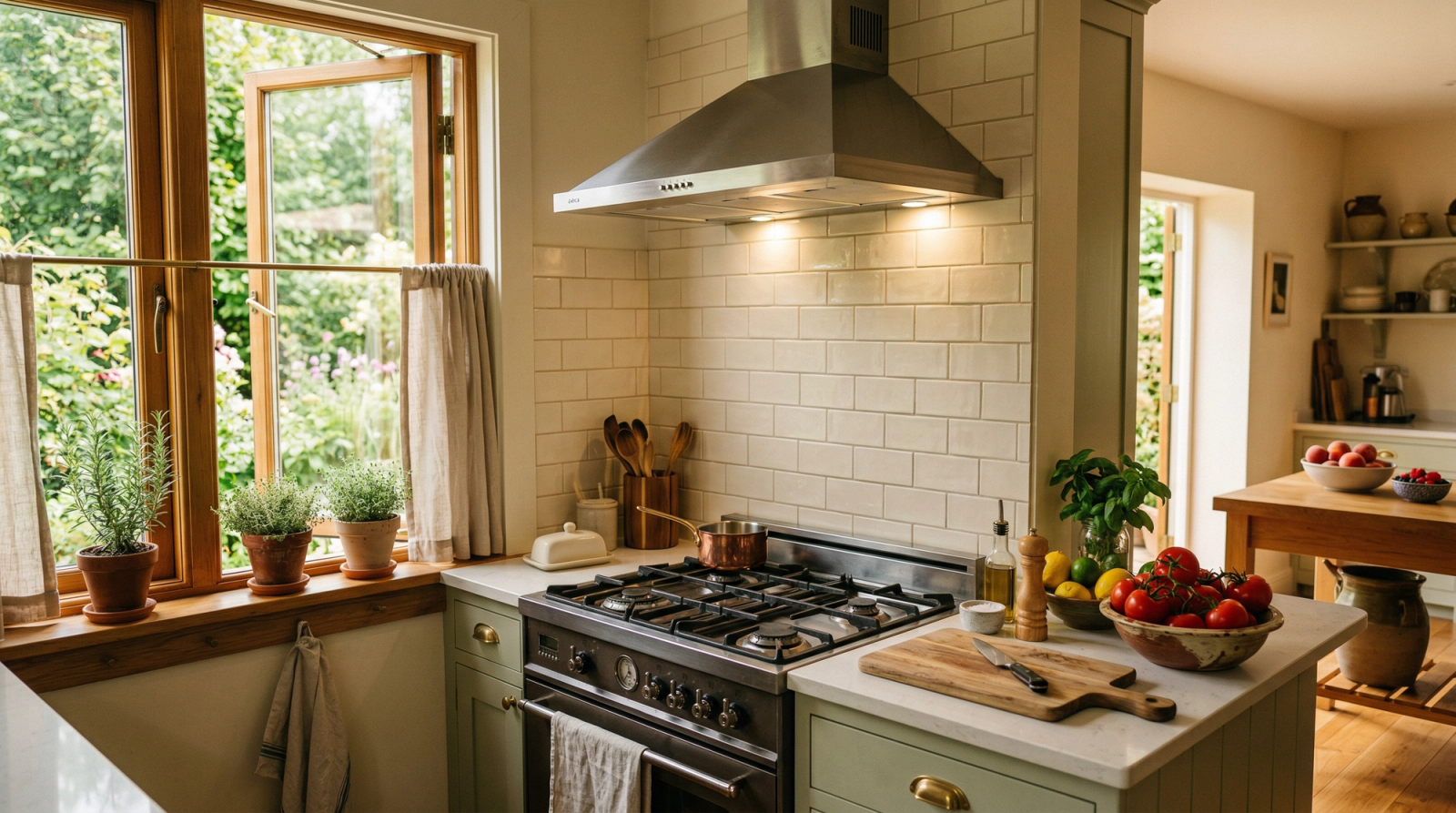
Understanding summer cooking indoor air quality is one of the most practical things a homeowner can do to improve the comfort and health of their living environment. The good news is that meaningful improvements are usually accessible, affordable, and don't require expert knowledge to implement.
This guide covers what you need to know about summer cooking indoor air quality — without the jargon, and without the fear. Just clear, actionable information you can use today.
What This Means for Your Home
Every home has a unique set of air quality characteristics — shaped by its age, construction, location, and how the people inside it live. When it comes to summer cooking indoor air quality, the specifics of your home determine both the risk level and the most effective solution.
The key is not to aim for perfection — it's to understand your home's actual situation and make targeted improvements. Small changes, applied consistently, compound into meaningfully better indoor air over time.
What Science Tells Us
Research on summer cooking indoor air quality consistently points to a few core principles. First, indoor environments are not passive — the choices you make about materials, habits, and equipment directly shape the air you breathe. Second, the most effective strategies address root causes rather than symptoms. And third, no single solution covers every problem — a layered approach always outperforms any single intervention.
The evidence base for indoor air quality has strengthened significantly over the past two decades. What was once considered a niche concern is now understood as a meaningful contributor to everyday health and comfort — and the practical tools available to homeowners have improved accordingly.
Common Misunderstandings
"If it's not bothering me, it's not a problem." Many indoor air quality issues, including those related to summer cooking indoor air quality, have no immediate obvious symptoms. Long-term, low-level exposure is often the more significant concern — and it's the one most easily overlooked.
"One product will fix it." No single device or product addresses all aspects of indoor air quality. Air purifiers, for example, are excellent at removing particles but don't address humidity, ventilation, or source pollution on their own.
"Newer means safer." Newer homes are often more airtight, which can trap pollutants more effectively. Without intentional ventilation planning, a well-sealed home can have worse air quality than an older, draftier one.
Practical Takeaways
Here are actionable steps you can take to address summer cooking indoor air quality in your home:
- Start by assessing your home's current situation — identify the most likely problem areas before investing in solutions
- Address ventilation first — it's the highest-impact, lowest-cost improvement in most homes
- Keep indoor humidity between 30–50% — too high encourages mold, too low dries out airways and materials
- Replace HVAC filters on schedule and consider upgrading to a higher MERV rating if your system supports it
- Use source control where possible — reducing what generates summer cooking indoor air quality in the first place is more effective than filtering it after the fact
- Consider a portable air purifier with a True HEPA filter for rooms where you spend the most time
Bottom Line
Managing summer cooking indoor air quality effectively doesn't require a complete home overhaul. It requires understanding how your home works, identifying your highest-priority improvements, and implementing them in a logical order. Most meaningful changes are affordable and within reach of any homeowner.
Start with one change. Build from there. Consistent small improvements add up to significantly better air quality over time.
Frequently Asked Questions
What is the most important thing to know about summer cooking indoor air quality?
Understanding that summer cooking indoor air quality is shaped by multiple factors — ventilation, filtration, humidity, and pollution sources — helps you prioritize the right improvements. No single fix addresses everything, but targeted changes make a real difference.
How do I know if this is a problem in my home?
Common signs include persistent odors, condensation on windows, stuffy rooms, excessive dust, and symptoms that improve when you leave the house. A consumer IAQ monitor can give you objective data to confirm your suspicions.
Do I need to hire a professional to fix this?
Most homeowners can address common IAQ issues through basic improvements — better filters, exhaust fan habits, humidity control. Professional help is worth considering if symptoms persist, mold is suspected, or you want a full IAQ assessment.
How quickly will I see results after making changes?
Ventilation and air purifier improvements can produce noticeable changes within hours. Source control and humidity adjustments take days to weeks. Structural improvements like sealing or mechanical ventilation show results over weeks to months.
Want to improve your home's air quality?
Take our comprehensive air quality quiz to get personalized recommendations.
Take the Quiz