
Dust accumulates in every home, no matter how clean you keep it. For many homeowners, the question of how to reduce dust in your home becomes increasingly important as they notice surfaces need constant wiping, air feels stale, or allergy symptoms worsen.
Understanding where dust comes from and what actually works to control it can save you time and frustration. Many common approaches are less effective than you might think, while some simple changes can make a noticeable difference.
This article explains proven strategies to reduce household dust, what causes dust buildup, and how to prioritize your efforts for the best results.
What This Means for Your Home
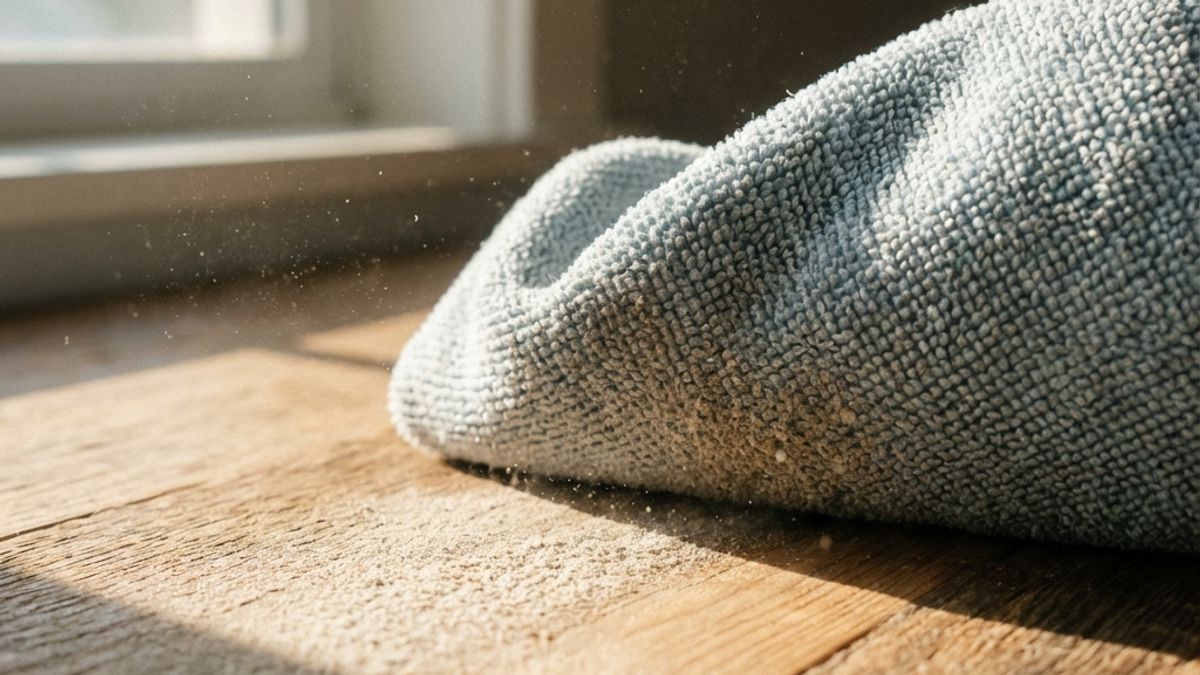
Dust is not just a cosmetic nuisance. It contains a mix of dead skin cells, fabric fibers, pollen, pet dander, soil particles, and sometimes mold spores or dust mites. In homes with poor dust control, these particles circulate through the air and settle on every surface.
For people with allergies, asthma, or respiratory sensitivities, excess dust can trigger symptoms or make existing conditions worse. Even in homes without health concerns, heavy dust buildup requires more frequent cleaning and can make indoor air feel stale or uncomfortable.
What Science Says About Dust Sources
Research on indoor dust shows that most household dust comes from indoors, not outdoors. Fabric fibers from upholstery, bedding, and clothing are a major contributor. Skin cells shed naturally by occupants and pets also make up a significant portion.
Outdoor sources like pollen and soil enter through open windows, on shoes, and via air leaks. In homes with poor filtration or ventilation, dust particles stay airborne longer and settle repeatedly on surfaces.
Effective dust reduction requires addressing both the sources and the air circulation patterns that distribute dust throughout your home.
Common Myths About Reducing Dust
Several misconceptions persist about how to reduce dust in your home:
- Myth: Dusting more often solves the problem. Reality: Without addressing sources and filtration, dust returns quickly. You need both cleaning and prevention.
- Myth: Air purifiers alone eliminate dust. Reality: They help reduce airborne particles but do not address settled dust on surfaces or prevent new dust from forming.
- Myth: Keeping windows closed always reduces dust. Reality: In homes with poor indoor air quality, fresh air exchange can actually help dilute indoor pollutants, though timing and outdoor conditions matter.
- Myth: Feather dusters are effective. Reality: They often just move dust around rather than capturing it. Damp cloths or microfiber work better.
Practical Steps to Reduce Dust
The most effective dust reduction strategies combine source control with regular maintenance:
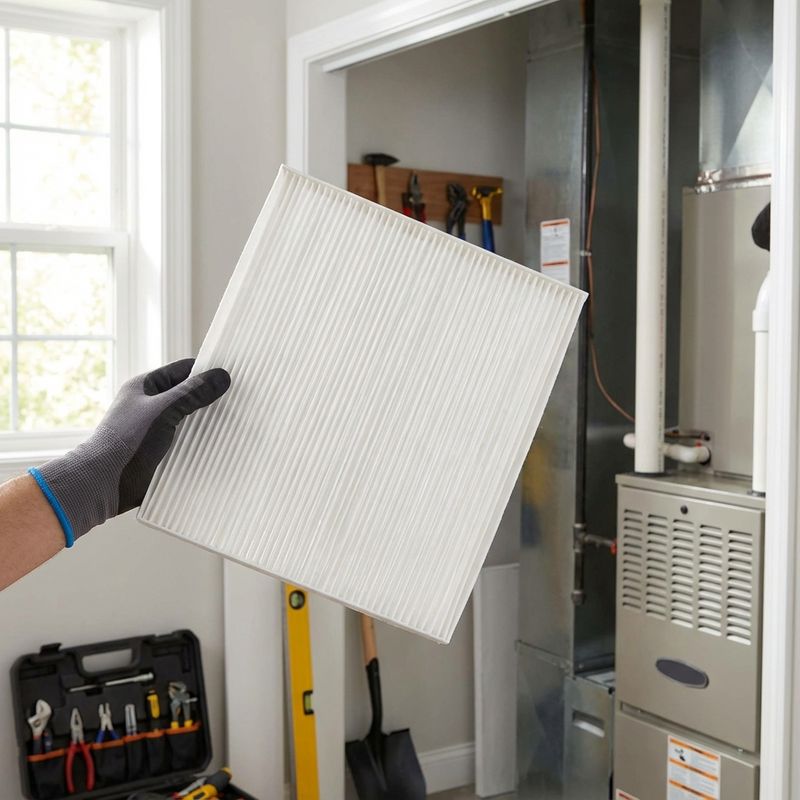
- Upgrade HVAC filtration: Use MERV 11-13 filters and change them every 60-90 days. Higher-rated filters capture more dust before it circulates.
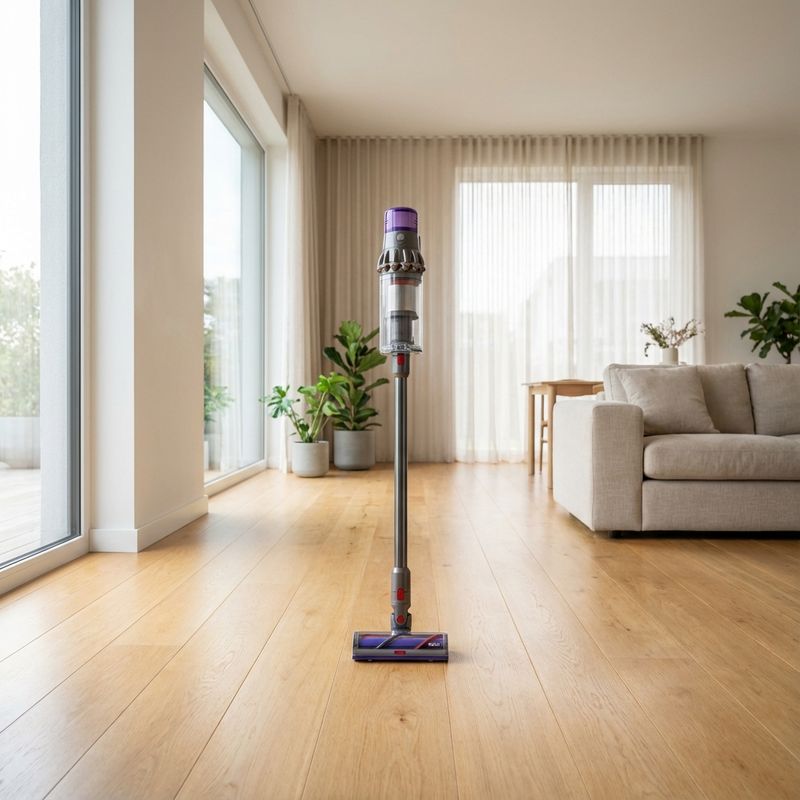
- Vacuum with HEPA filtration: Vacuum carpets, rugs, and upholstery at least twice weekly using a HEPA-filter vacuum to trap fine particles.
- Damp dust surfaces: Use damp microfiber cloths instead of dry dusting to capture rather than redistribute dust.
- Wash bedding weekly: Sheets, pillowcases, and blankets shed fibers and collect skin cells. Hot water washing reduces dust mites.
- Control humidity: Keep indoor humidity between 30-50% to discourage dust mites, which thrive in higher humidity.
- Minimize clutter: Reduce fabric items, decorative objects, and open shelving where dust accumulates.
- Remove shoes at entry: This prevents outdoor soil and particles from being tracked throughout your home.
When Dust Control Is Not Enough
Even with consistent dust reduction efforts, some situations require additional intervention:
- Persistent allergy symptoms despite regular cleaning may indicate dust mites, mold, or other allergens that need professional assessment.
- Excessive dust reappearing within hours can signal HVAC duct problems, air leaks, or construction/renovation debris.
- Homes with pets, smokers, or high occupancy may need more frequent filter changes and professional duct cleaning.
If basic dust control measures are not effective, consider having your HVAC system inspected and your indoor air quality professionally evaluated.
Better Ways to Maintain Dust-Free Spaces
Use this checklist to develop a practical dust control routine:
- Change HVAC filters every 60-90 days (more often with pets or allergies)
- Vacuum high-traffic areas and upholstery twice weekly with HEPA vacuum
- Damp-dust hard surfaces weekly (daily for severe allergies)
- Wash bedding in hot water weekly
- Monitor humidity levels and keep between 30-50%
- Remove shoes at entry and use doormats
- Groom pets regularly outdoors when possible
- Consider portable air purifiers in bedrooms if needed
Key Takeaways
- Most household dust comes from indoor sources like fabric fibers, skin cells, and pet dander, not just outdoor dirt.
- Effective dust reduction requires both source control (better filtration, less clutter) and regular cleaning with proper tools.
- HVAC filtration upgrades and HEPA vacuums provide the most significant improvement in reducing dust in your home.
- Consistent routines work better than sporadic deep cleaning—small, regular efforts compound over time.
Frequently Asked Questions
How often should I dust my home to keep it clean?
Damp-dust hard surfaces weekly for most homes. High-traffic areas or homes with pets may need dusting 2-3 times per week. Focus on consistent routines rather than frequency alone.
What is the best tool for dusting?
Damp microfiber cloths are most effective. They capture dust rather than spreading it. Avoid feather dusters or dry cloths, which often just move dust around.
Can air purifiers eliminate dust in my home?
Air purifiers reduce airborne dust particles but do not eliminate dust that has settled on surfaces. They work best when combined with regular cleaning and better HVAC filtration.
Why does my house get dusty so quickly?
Rapid dust buildup often indicates poor HVAC filtration, air leaks, or high indoor dust sources like fabrics and pets. Check your air filters and consider upgrading to MERV 11-13 rated filters.
Do dust mites cause allergies even if I cannot see them?
Yes. Dust mites thrive in bedding and upholstery. Their waste triggers allergic reactions. Control them by washing bedding weekly in hot water and keeping humidity below 50%.
Want to improve your home's air quality?
Take our comprehensive air quality quiz to get personalized recommendations.
Take the Quiz