Introduction
Volatile Organic Compounds (VOCs) are gases released from everyday household products and materials. Because these chemicals evaporate easily at room temperature, they can build up indoors and affect your home’s air quality.
VOCs are common in paints, cleaning supplies, furniture, and even air fresheners. Most homes have some level of VOCs, but with the right steps, you can keep them under control and create a healthier living environment.
This guide explains VOCs in simple terms and offers clear, practical strategies for reducing them throughout your home.
What This Means for Your Home
Understanding VOCs helps you make smarter decisions about the products you use and how you maintain your home. Elevated VOC levels can contribute to poor indoor air quality, especially in newer or tightly sealed homes where fresh air circulation is limited.
Reducing VOCs often leads to:
- Cleaner, fresher indoor air
- Fewer chemical odors
- A healthier space for children, older adults, and anyone with sensitivities
Symptoms, Signs, or Indicators of VOCs
While VOCs are invisible, you may notice signs that your home’s levels are elevated:
- Persistent “chemical” or “new smell” odors
- Eye, nose, or throat irritation
- Headaches or dizziness
- Worsening allergy-like symptoms
- Increased sensitivity when cleaning, painting, or using scented products
If symptoms improve when you go outdoors, VOCs may be part of the problem.
Common Causes of VOCs in Homes
VOCs come from many sources. Some are obvious; others are easy to overlook.
Building & Furnishing Materials
- Fresh paint or stains
- New flooring (vinyl, laminate, carpet)
- Pressed-wood furniture (particleboard, MDF)
- Caulks, glues, and varnishes
Everyday Household Products
- Cleaning sprays and disinfectants
- Air fresheners and candles
- Laundry detergents with added fragrance
- Personal care items like hair spray or nail polish remover
Activities That Increase VOCs
- Renovation projects
- Installing new furniture or flooring
- Using harsh cleaning chemicals
- Keeping products stored in warm or enclosed spaces
How to Fix or Improve VOC Levels
Below are practical, homeowner-friendly actions that make a meaningful difference.
1. Increase Fresh Air Flow
- Open windows for 10–15 minutes when weather allows
- Use bathroom and kitchen exhaust fans regularly
- Run a whole-home ventilation system if available
2. Choose Low-VOC or Zero-VOC Products
Look for labels such as:
- “Low-VOC Paint”
- “Zero-VOC Adhesives”
- “GreenGuard Certified Furniture”
3. Store Chemicals Safely
- Keep paints, solvents, and cleaners in the garage or a sealed outdoor shed
- Ensure lids are tightly closed
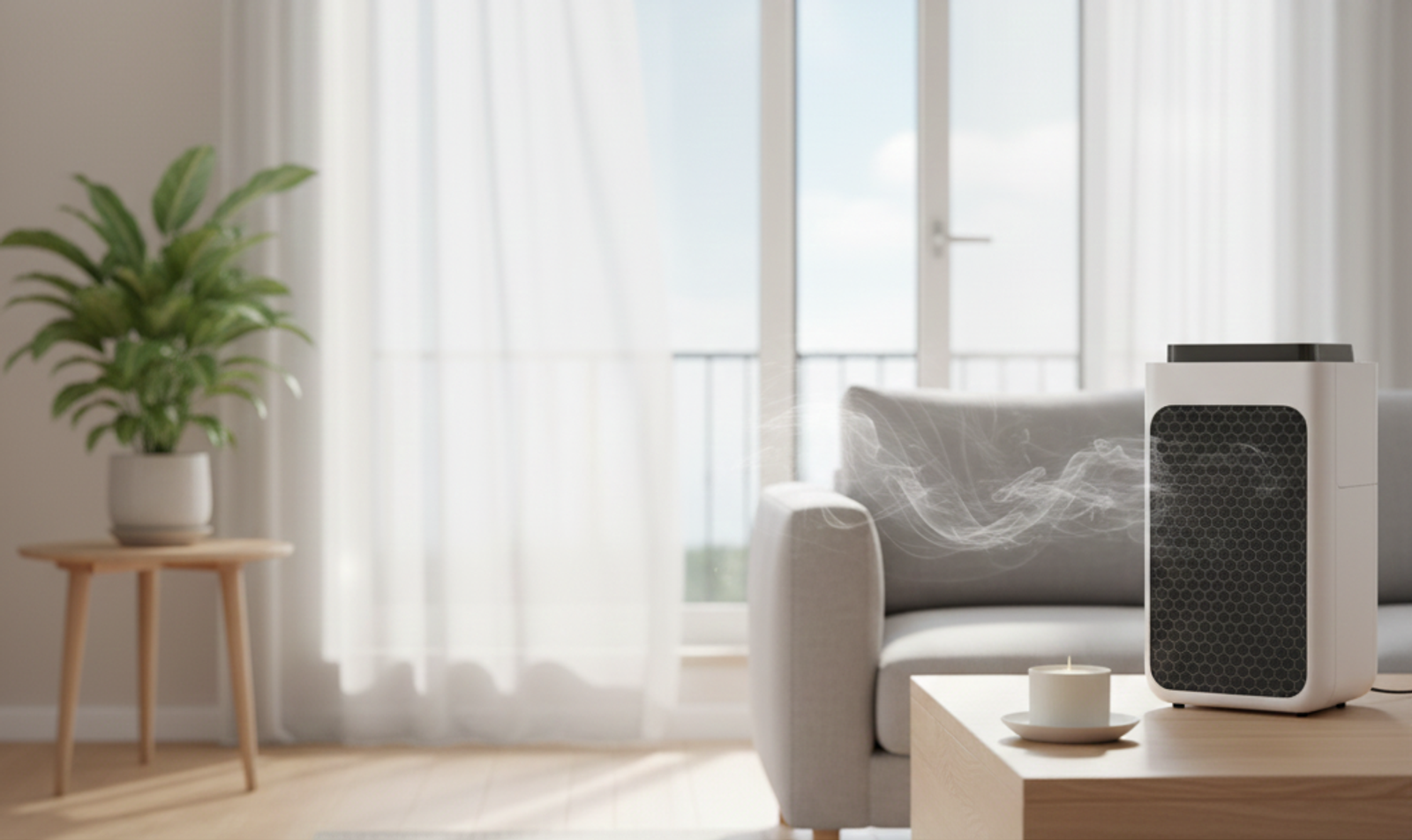
4. Use Air Purifiers With Activated Carbon Filters
Carbon filters trap gases like VOCs (HEPA alone does not remove VOCs).
5. Let New Items Off-Gas
Before bringing items inside:
- Unwrap them outdoors
- Leave in the garage for 24–48 hours when possible
- Improve ventilation during the first few days after installation
6. Clean With Safer Alternatives
- Use fragrance-free or plant-based cleaners
- Avoid aerosol sprays
Professional Insight
You may want to involve an indoor environmental expert when:
- Symptoms persist even after improving ventilation
- VOC odors are strong or long-lasting
- You recently completed significant renovations
- A household member has asthma, chemical sensitivities, or chronic respiratory issues
Professionals can perform directed VOC testing, identify hidden sources, and recommend targeted solutions.
Prevention Tips
A few ongoing habits help keep VOCs low year-round:
- Prioritize low-VOC products during any renovation
- Ventilate before, during, and after painting
- Avoid storing chemicals inside living spaces
- Replace air purifier filters as recommended
- Choose unscented or naturally scented household products
Conclusion
VOCs are a normal part of modern homes, but understanding where they come from and how to manage them helps you maintain cleaner, healthier indoor air. With simple habits—like improving ventilation, choosing low-VOC products, and using air purifiers with carbon filters—you can meaningfully reduce VOC levels and create a safer living space for your family.
Frequently Asked Questions
1. Are VOCs always harmful?
Not necessarily. Many VOCs are low-level and temporary. Problems arise when levels accumulate indoors over time.
2. How long do VOCs last after painting?
Most VOCs from paint dissipate within 48–72 hours, but some off-gas for weeks. Using low-VOC paint shortens this significantly.
3. Can houseplants remove VOCs?
Plants can help, but they are not a reliable primary solution. Ventilation and carbon filters are more effective.
4. Do air fresheners increase VOCs?
Yes. Most scented sprays and plugins contain VOCs. Consider unscented alternatives.
5. Can VOCs be tested at home?
Yes. Consumer VOC monitors and professional-grade tests can measure levels and identify trends.
6. Are VOCs worse in winter?
Often, yes. Homes are more sealed in cold months, reducing ventilation and allowing VOCs to build up.
7. What is formaldehyde and why is it mentioned with VOCs?
Formaldehyde is a common VOC found in pressed wood, fabrics, and insulation. It off-gasses more in warmer temperatures.
Want to improve your home's air quality?
Take our comprehensive air quality quiz to get personalized recommendations.
Take the Quiz