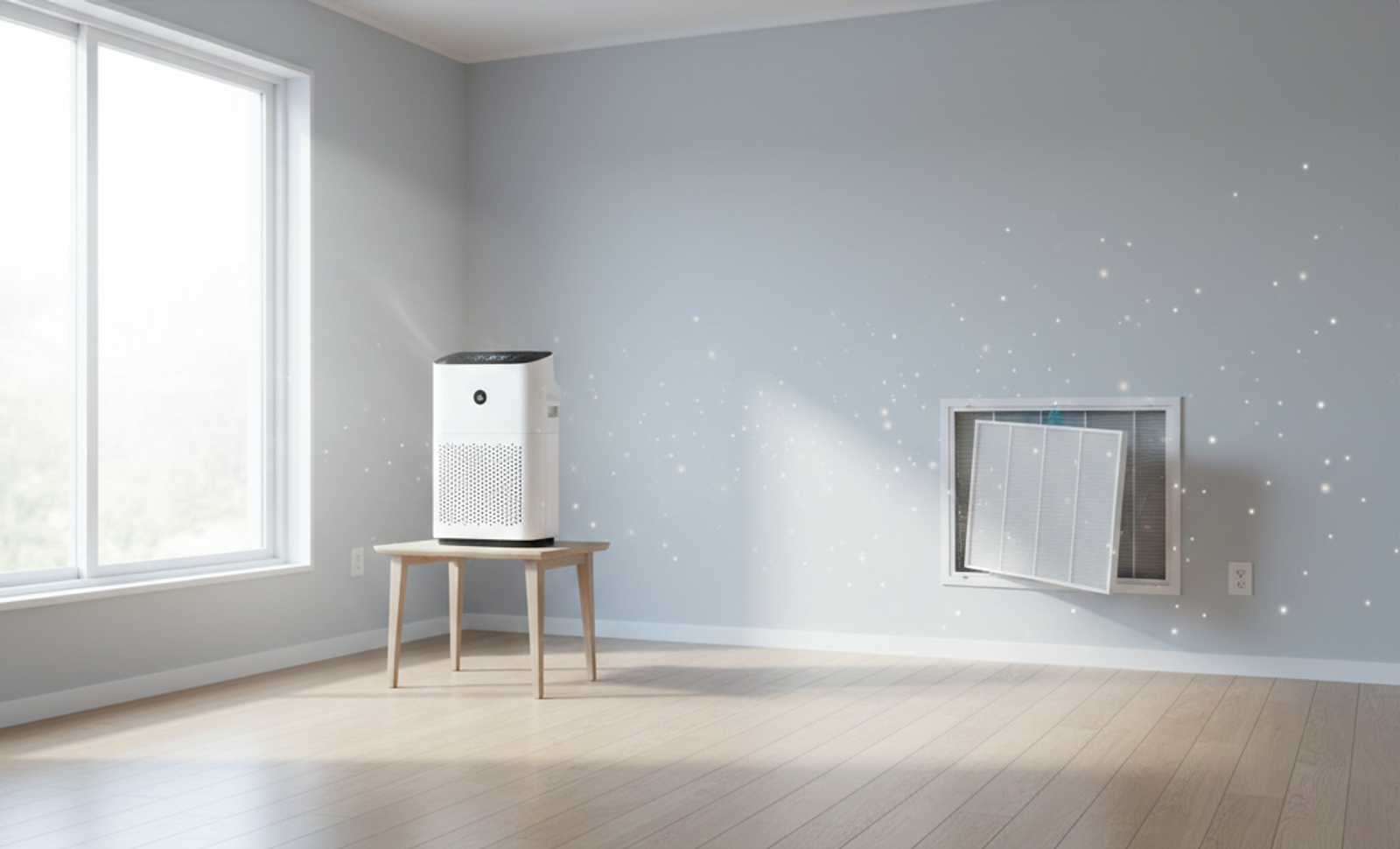
Introduction
PM2.5 is one of the most important indoor air quality measurements for homeowners to understand. It refers to fine particles small enough to enter your lungs and affect your comfort and overall well-being. Because PM2.5 is invisible to the eye, many families have elevated levels without realizing it.
In this guide, we’ll explain what PM2.5 is, why it matters for your home, and what practical steps you can take to lower it.
What This Means for Your Home
High PM2.5 levels often show up in homes without obvious warning signs. These particles can circulate in the air during everyday activities and linger long after the source is gone.
For homeowners and renters, understanding PM2.5 is especially useful because it helps you:
- Identify hidden indoor air problems
- Decide when ventilation or filtration is needed
- Choose the right air purifier or HVAC filter
- Reduce exposure during cooking, cleaning, or seasonal changes
If you have young children, older adults, or anyone with allergies or asthma in the home, lowering PM2.5 can make a noticeable difference in comfort.
What Is PM2.5?
PM2.5 stands for “particulate matter smaller than 2.5 micrometers.” To put that into perspective, these particles are about 30 times smaller than the width of a human hair.
PM2.5 includes a mix of:
- Smoke
- Dust
- Soot
- Organic compounds
- Fine particles released from household activities
Because of their size, PM2.5 particles stay suspended in the air longer and can travel deeper into the respiratory system.
Symptoms, Signs, or Indicators of Elevated PM2.5
Most PM2.5 is invisible, but your home may show subtle clues when levels rise:
- Stuffy or stale indoor air
- Frequent sneezing or coughing indoors
- Increased allergy symptoms
- Irritated eyes or throat
- Lingering smoke or cooking smells
- Fine dust settling quickly on surfaces
Air quality monitors often provide the first clear indication that PM2.5 is elevated.
Common Causes of PM2.5 in Homes
Every home has some PM2.5. The key is understanding which activities create spikes.
Common sources include:
- Cooking (especially frying, searing, or using gas stoves)
- Candles and incense
- Fireplaces and wood stoves
- Smoking or vaping indoors
- Cleaning sprays and chemicals
- Vacuuming without a HEPA filter
- Wildfire smoke entering from outdoors
- Construction dust from renovations
- Poor ventilation during winter or summer HVAC use
How to Fix or Improve It
Step-by-Step Actions
- Increase Ventilation
- Open windows when weather permits.
- Use exhaust fans in kitchens and bathrooms.
- Run a whole-home ventilation system if installed.
- Use High-Quality Filtration
- Upgrade HVAC filters to MERV 11–13 if compatible with your system.
- Use a HEPA air purifier in key rooms like bedrooms and living spaces.
- Reduce Indoor Sources
- Use lids when cooking to reduce smoke.
- Avoid burning candles or use unscented, clean-burning versions.
- Choose low-emission cleaning products.
- Clean with the Right Tools
- Vacuum with a sealed HEPA vacuum.
- Dust with a damp cloth instead of dry dusting.
- Monitor Your Air
- A home air quality monitor helps identify problem areas or activities that cause spikes.
Professional Insight
A professional indoor air consultant or HVAC technician may be helpful when:
- Your PM2.5 levels remain high despite using filtration and ventilation
- Someone in the home has asthma or respiratory concerns
- You need guidance choosing the right HVAC upgrades
- You’re renovating and want to prevent long-term dust issues
Certified professionals can measure particle levels, assess your home’s ventilation, and recommend targeted improvements.
Prevention Tips
- Run kitchen exhaust fans during and after cooking
- Replace HVAC filters every 1–3 months
- Keep windows closed during high outdoor pollution or wildfire smoke
- Use air purifiers in high-traffic rooms
- Limit burning candles, incense, or indoor smoking
- Maintain appliances like gas stoves and fireplaces
- Keep floors clean with regular vacuuming
Conclusion
PM2.5 is one of the most important metrics for understanding your home’s air quality. By identifying common sources, improving filtration, and taking simple ventilation steps, homeowners can significantly reduce fine particles indoors. With the right mix of awareness and practical improvements, your home can maintain cleaner, healthier air year-round.
FAQs
1. Is PM2.5 always bad?
Not always. Low levels are normal, but consistently high levels can affect comfort and air quality. The goal is to minimize unnecessary spikes.
2. How can I check PM2.5 in my home?
Use a home air quality monitor that tracks PM2.5 levels in real time.
3. Do air purifiers remove PM2.5?
Yes. HEPA purifiers are highly effective at capturing fine particles.
4. Does cooking increase PM2.5?
Yes. Frying, searing, and even boiling can release fine particles. Ventilation helps reduce exposure.
5. What PM2.5 level is considered “good”?
Generally, below 12 µg/m³ is considered good indoor air quality based on EPA guidelines.
6. Can PM2.5 come from outside?
Yes. Outdoor pollution and wildfire smoke can enter through open windows, doors, and air leaks.
7. Is PM2.5 the same as dust?
Dust is usually larger. PM2.5 refers specifically to particles small enough to stay airborne and move deep into the lungs.
Frequently Asked Questions
What is a safe PM2.5 level indoors?
The EPA considers an indoor PM2.5 level below 12 µg/m³ to be good. Levels above 35 µg/m³ over 24 hours are considered unhealthy. For sensitive groups — children, elderly, or those with respiratory conditions — aim to keep levels below 10 µg/m³.
What are the main indoor sources of PM2.5?
Common indoor PM2.5 sources include cooking (especially frying and gas stoves), candles and incense, wood-burning fireplaces, tobacco smoke, and particles tracked in from outdoors. Wildfire smoke and heavy traffic can also significantly raise indoor levels.
How do I measure PM2.5 in my home?
Use a dedicated indoor air quality monitor such as the Airthings View Plus, Awair Element, or IQAir AirVisual Pro. These use laser particle sensors for real-time readings. For spot-checking, a portable device like the Temtop M2000C works well.
Do air purifiers remove PM2.5?
Yes. Air purifiers with true HEPA filters are highly effective at capturing PM2.5 particles. Look for models with a high CADR rating for smoke or dust. Running an air purifier in rooms where you spend the most time — especially bedrooms — significantly lowers PM2.5 exposure.
Can opening windows reduce PM2.5?
It depends on outdoor air quality. If outdoor AQI is below 50, ventilation helps dilute indoor pollution. During wildfires, heavy traffic, or high-pollen periods, outdoor air may be worse — keep windows closed and run filtration instead.
Want to improve your home's air quality?
Take our comprehensive air quality quiz to get personalized recommendations.
Take the Quiz